
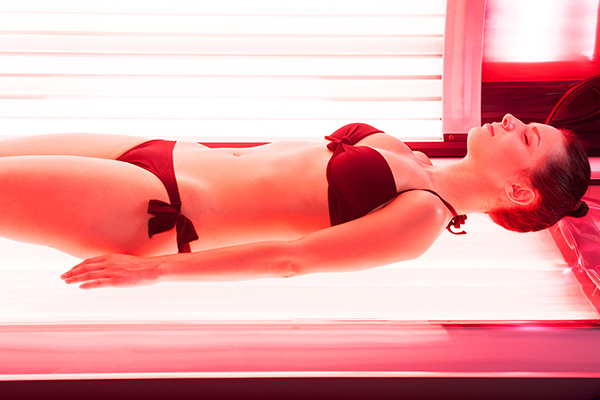
Whole-Body Red Light Therapy Is Getting Serious Attention – Here’s why.
Whole-body red light therapy beds are transforming how we approach wellness and recovery. Unlike small handheld devices or targeted panels that treat specific areas, these full-body systems deliver photobiomodulation (PBM) to your entire body simultaneously. Think of it as giving every cell a gentle energy boost at once.
This isn’t a tanning bed—there’s no UV radiation involved. Instead, whole-body red light therapy uses specific wavelengths of red and near-infrared light (typically 660-850 nanometres) to penetrate skin and stimulate cellular processes. The experience of using whole body red light therapy bed sessions involves lying comfortably whilst therapeutic light works on your cells’ powerhouses—the mitochondria.
The wellness claims surrounding full-body PBM are impressive: improved skin texture and tone, reduced muscle soreness and joint pain, faster exercise recovery, better sleep quality, enhanced metabolism, and even cognitive benefits. Research demonstrates that systemic photobiomodulation can influence multiple biological pathways simultaneously, which explains why whole-body treatments are gaining clinical attention.
What’s particularly exciting is the shift from spot treatments to systemic approaches. Clinical studies show that full-body light therapy can produce measurable improvements in cellular energy production across multiple tissue types, suggesting benefits that localised treatments simply cannot match.
Yes, the science is still developing… BUT early research indicates that treating the entire body creates synergistic effects that targeted therapy cannot achieve. Studies report improvements in mitochondrial function, reduced inflammation markers, and enhanced tissue repair when photobiomodulation is applied systemically.
This article provides an evidence-based, patient-friendly guide for anyone considering whole-body PBM treatments. Drawing on current research and clinical experience, we’ll explore what the science actually shows—and what it doesn’t—about these increasingly popular wellness systems.
What Is Whole-Body Red Light Therapy?
Whole-body red light therapy uses specific wavelengths of light to help your cells work better. Think of it as giving your body’s natural repair systems a gentle boost—without heat or damage to your skin.
Photobiomodulation (PBM) in Simple Terms
Photobiomodulation sounds complex, but it’s quite straightforward. Research shows that red and near-infrared light (typically between 600–1100 nanometres) can trigger helpful biological responses in your cells when used at low intensities. This isn’t about heating your tissues or causing damage—it’s about encouraging your cells to function more efficiently.
This approach is completely different from:
Lasers used for cutting or removing tissue in surgery
IPL and high-energy devices used in some aesthetic treatments
UV tanning beds, which primarily affect melanin production and can damage DNA
The experience of using whole body red light therapy bed treatments focuses on gentle, therapeutic light that works with your body’s natural processes.
What Makes It “Whole-Body”?
Whole-body red light therapy systems are designed quite differently from the smaller, targeted devices you might see in dental practices or wound care clinics. These systems typically include:
Full-length beds or walk-in chambers lined with LED lights
Red light wavelengths (usually 620–670 nanometres) and near-infrared wavelengths (800–900+ nanometres) Coverage across almost 100% of your skin surface for complete systemic exposure provides surprising benefits.
This comprehensive approach differs significantly from localised devices used for specific areas like joints or small wounds. Clinical evidence suggests that treating larger body areas may be more effective for certain conditions.
Why does systemic exposure matter? Research indicates that whole-body treatment can activate circulating blood cells, support vascular function, and influence immune cells across large areas of your body—potentially offering broader benefits than spot treatments.
Typical Technical Specs of a Whole-Body Bed
Most commercial whole-body systems use specific wavelength ranges that researchers call “therapeutic windows.” Studies show that red light around 630–660 nanometres and near-infrared light at 800–880 or 940 nanometres penetrate tissues most effectively.
The technical details that matter for your treatment include:
Light intensity: Measured in milliwatts per square centimetre (mW/cm²)
Energy dose: The total amount of light energy delivered, measured in joules per square centimetre (J/cm²)
Treatment duration: Clinical trials typically use sessions lasting 10–20 minutes
For example, research on fibromyalgia patients and studies on exercise recovery have used specific combinations of these parameters to achieve measurable results. Commercial units aim to match these clinically-tested ranges whilst ensuring safety and comfort during treatment.
How Whole-Body Red Light Therapy Works: The Science Explained Clearly
Light at the Cellular Level: The Mitochondria Story
Think of your cells as tiny power stations. Inside each cell are mitochondria—the parts that make energy. When red and near-infrared light hits your skin, something remarkable happens at this cellular level.
The light targets a specific protein called cytochrome c oxidase, which acts like a light sensor in your mitochondria. Research shows that when this protein absorbs the light, it releases nitric oxide that was blocking the energy-making process. This means your cells can suddenly produce more ATP—the fuel that powers everything your body does.
What does this mean for you? Studies demonstrate that higher ATP levels support tissue repair, protein building, and help stressed cells survive better. The experience of using whole body red light therapy bed treatments allows this process to happen across your entire body simultaneously, rather than just one small area.
Signalling Cascades: Beyond Just “More Energy”
Red light therapy doesn’t just boost energy—it triggers a cascade of helpful cellular changes. When light hits your cells, it creates temporary increases in reactive oxygen species (ROS). Before you worry, these aren’t the damaging kind. Instead, they act as signals that tell your cells to make positive changes.
Clinical evidence reveals that these signals activate important cellular switches, leading to increased production of your body’s natural antioxidant enzymes like SOD and catalase. The light also affects calcium levels and other messengers inside cells, ultimately changing which genes get switched on or off.
The result? Research shows altered expression of genes involved in reducing inflammation, helping cells survive, and repairing damaged tissue.
Anti-Inflammatory and Immune Modulation
Chronic inflammation underlies many health concerns, from joint pain to skin problems. Red light therapy appears to tackle this at the source.
Multiple studies demonstrate that photobiomodulation reduces harmful inflammatory signals (like IL-6, IL-1β, and TNF-α) whilst increasing helpful anti-inflammatory mediators (such as IL-10 and TGF-β1). Even more interesting, recent research suggests that near-infrared light can actually reprogram immune cells called macrophages, shifting them from a pro-inflammatory state to one that promotes healing.
This has significant implications for conditions involving chronic inflammation. Clinical trials show promise for fibromyalgia, whilst emerging research explores cardiovascular benefits and potential applications for obesity-related inflammation.
Vascular and Microcirculation Effects
Your circulation matters more than you might think. Poor blood flow means less oxygen and nutrients reaching your tissues, and slower removal of waste products.
Red light therapy promotes blood vessel dilation through nitric oxide release and effects on the lining of blood vessels. One clinical study found remarkable results: participants experienced a 27–54% increase in microvascular blood flow after near-infrared treatment, with benefits lasting well beyond the actual light exposure.
This is where whole-body beds show particular promise. Rather than improving circulation in just one small area, they can potentially enhance blood flow throughout your entire body, improving oxygen delivery to all your tissues simultaneously.
The Biphasic Dose Response: Why “More Light” Is Not Always Better
Here’s something crucial that many people don’t understand: with red light therapy, more isn’t necessarily better. Scientific research demonstrates what’s called a biphasic dose response—low to moderate doses provide benefits, but very high doses can actually be ineffective or even counterproductive.
This concept, called hormesis, means your body responds best to the right amount of stimulation. Think of it like exercise: the right amount makes you stronger, but too much leads to injury and exhaustion.
For whole-body beds, this has practical implications:
Overly intense sessions may not enhance outcomes
Excessively long treatments don’t necessarily work better
Medically guided protocols are important rather than uncontrolled, frequent use
This is why professional oversight matters—knowing the optimal dose for your individual needs ensures you get the benefits without overdoing it.
What Does the Evidence Say About Whole-Body PBM? Overview of Clinical Research
Types of Studies We Have So Far
The research into whole-body photobiomodulation is still growing, but we’re starting to see some promising patterns emerge. Most studies so far have been small but well-designed trials that give us useful insights.
For chronic pain conditions like fibromyalgia, researchers have conducted randomised controlled trials that show real promise. These studies are particularly valuable because they compare red light therapy directly against dummy treatments, helping us understand what’s truly effective.
Athletic performance and recovery have received significant attention. A systematic review examined multiple studies on exercise recovery, including those using full-body devices. Research on elite athletes has shown measurable improvements in recovery times and performance markers.
Scientists have also studied how red light therapy works at a cellular level. Studies on microcirculation help us understand how light affects blood flow in tiny vessels throughout the body. Research on cardiovascular ageing suggests whole-body treatments might support heart health as we age.
Emerging research is exploring broader health applications. Scientists are investigating whether systemic light therapy might help with metabolic conditions, with obesity research showing early promise. Brain health studies, including research on neurodegeneration and Alzheimer’s disease, suggest light therapy might support cognitive function.
However, it’s important to understand the limitations. Most studies involve small numbers of participants, devices vary significantly between trials, and there’s no standard approach to dosing. This makes it harder to compare results across different studies.
Key Outcomes Studied
Researchers have measured various health markers to understand how whole-body red light therapy affects the body. The experience of using whole body red light therapy bed treatments has been evaluated across multiple areas of health and wellbeing.
Pain reduction and improved physical comfort are amongst the most studied benefits. Studies measure both how much pain people feel and how tender specific body areas become after treatment. Quality of life scores help researchers understand whether people feel better in their daily activities.
Exercise performance has received considerable attention. Scientists measure how well muscles work during activity, how quickly they recover afterwards, and whether markers of muscle damage improve. These studies help us understand whether red light therapy genuinely enhances athletic performance.
Sleep improvements are another key area of research. Studies examine not just how long people sleep, but also the quality of that sleep through detailed sleep architecture analysis. Heart rate variability measurements help researchers understand how the nervous system responds to treatment.
Inflammation and antioxidant status provide insight into how red light therapy affects the body’s repair systems. Reduced inflammation markers suggest the body is under less stress, whilst improved antioxidant levels indicate better cellular protection.
Cardiovascular and metabolic measurements help scientists understand broader health effects. These include blood pressure, heart function, and how the body processes energy and nutrients.
Cognitive and neurological outcomes are increasingly studied, particularly when light therapy targets the head. However, these findings become relevant when discussing how whole-body treatments might create systemic effects that benefit brain function.
Whilst the research is promising, it’s worth noting that individual results can vary significantly. The evidence suggests whole-body red light therapy may offer genuine benefits, but more large-scale studies are needed to fully understand its potential.
Whole-Body PBM for Pain, Fibromyalgia, and Musculoskeletal Recovery
Fibromyalgia: The Strongest Whole-Body Clinical Trial So Far
The most compelling evidence for whole-body red light therapy comes from a rigorous triple-blind study involving 42 fibromyalgia patients. This research followed participants for six months after completing 12 treatment sessions, providing valuable insights into long-term benefits.
The results were impressive. Pain levels dropped significantly by the end of treatment and remained lower at both 2 weeks and 6 months follow-up. Quality of life scores improved consistently throughout the study period, with participants reporting increased leisure activities—suggesting real improvements in daily function.
Perhaps most importantly for fibromyalgia sufferers, the study showed reduced kinesiophobia (fear of movement) and increased self-efficacy from around 2 weeks onwards. By 6 months, participants also showed improvements in pain catastrophising, indicating positive changes in how they thought about and managed their condition.
What this means for patients is encouraging: benefits aren’t just short-lived. The experience of using whole body red light therapy bed treatments appears to create lasting changes that affect pain, physical function, and psychological wellbeing—aligning with our understanding of how fibromyalgia affects the whole body’s pain processing systems.
Chronic and Osteoarthritic Pain
Whilst most research has focused on targeted red light therapy, studies show reduced pain and improved joint function in osteoarthritis and chronic joint conditions. Research using linear-polarised near-infrared light has demonstrated benefits in chronic pain conditions, supporting the systemic and neural mechanisms that make whole-body exposure potentially valuable.
Whole-body beds could extend these local benefits by simultaneously treating multiple painful sites whilst modulating inflammation throughout the body. This approach makes particular sense for conditions like arthritis that often affect several joints simultaneously.
Exercise-Induced Muscle Damage and Recovery
Athletes and fitness enthusiasts have shown particular interest in red light therapy for recovery. Randomised studies using PBM across large treatment areas have demonstrated measurable benefits:
Studies show reduced creatine kinase and lactate dehydrogenase levels after intense exercise—these are markers that indicate muscle damage. Research has also found lower markers of oxidative stress and increased antioxidant enzyme activity when red light therapy is used.
Impressively, high-level athletes showed improved time to exhaustion, VO₂max, and anaerobic threshold when PBM was given before testing. One study using drop-jump exercises found that 940 nm LED light reduced muscle damage markers at 72 hours and improved squat jump performance compared to placebo.
For sports recovery facilities using whole-body beds, this research suggests potential benefits both for priming muscles and cardiovascular system before exercise, and for accelerating recovery when applied shortly after intense training or competition.
Local vs Whole-Body for Musculoskeletal Complaints
Local PBM has a strong evidence base for joints, tendons, neck and back pain, and temporomandibular disorders. Whole-body approaches show early but promising data in fibromyalgia and athlete recovery, plus there’s solid mechanistic rationale for systemic pain modulation.
In clinical practice, combining both approaches often makes sense—using full-body sessions for systemic benefits whilst adding targeted PBM on specific problematic joints or areas. This allows practitioners to address both local tissue issues and the broader inflammatory and pain processing changes that contribute to musculoskeletal complaints.
Whole-Body PBM and Athletic Performance, Recovery & Sleep
What the Sports Science Says
When it comes to athletic performance, the research on whole-body red light therapy tells an interesting story. A systematic review of whole‑body PBM for exercise performance and recovery examined 5 studies involving 105 participants. The findings were mixed but revealing.
The review found inconsistent or limited evidence for direct improvements in performance metrics. Put simply, don’t expect explosive gains in your sprint times or lifting numbers. However, there was more consistent evidence for improved sleep and some physiological recovery markers. This suggests that the experience of using whole body red light therapy bed sessions may be more about supporting your body’s natural recovery processes rather than creating superhuman performance.
The researchers highlighted a crucial point: we need better standardisation of dosing and devices. This matters because it means results can vary significantly depending on the equipment and protocols used.
Elite Female Soccer Players: Real-World Recovery Data
Sometimes the most telling research comes from real athletes in real training environments. A study of NCAA Division I female soccer players used full‑body PBM as part of their standard team recovery protocol.
The results were fascinating. On nights after PBM sessions, players showed significantly lower mean heart rate during sleep (p = 0.0055). This suggests enhanced recovery at the autonomic level—essentially, their nervous systems were calmer and more recovered.
However, there was an unexpected finding: total sleep time decreased by around 40 minutes, with reductions in light and REM sleep. This remained true even after adjusting for training load differences.
What does this mean? Rather than simply making athletes sleep longer, PBM may increase sleep efficiency and autonomic recovery. Think of it as getting better quality rest in less time, with the body’s recovery systems working more effectively.
PBM and Sleep Quality Beyond Athletes
The sleep benefits aren’t limited to elite athletes. The broader light‑therapy literature indicates that controlled light exposure can improve insomnia and sleep efficiency in various populations.
It’s important to understand the distinction here. Bright white or blue light works through circadian entrainment—essentially resetting your body clock. Red and near-infrared PBM works differently, targeting cellular and autonomic effects.
There may be potential synergy: full‑body PBM delivered at appropriate times could support sleep through pain reduction, reduced sympathetic nervous system activation, and improved recovery, even though the circadian mechanisms are different.
Practical Implications for Active People
For recreational athletes and active individuals, whole‑body PBM can be used safely post‑training or post‑competition. The key is consistency in scheduling and avoiding late‑night intense light exposure if you find it personally stimulating.
Objective expectations matter here. Based on current data, improved soreness and recovery metrics are more realistic outcomes than explosive performance gains. Yes, recovery takes time to build… BUT supporting your body’s natural repair processes can make a meaningful difference to how you feel and perform over weeks and months.
The research suggests that if you’re looking for better recovery, reduced muscle soreness, and potentially improved sleep efficiency, whole‑body PBM may be worth considering as part of a comprehensive recovery strategy.
Skin Health, Aesthetics, and Body Contouring
Skin Rejuvenation and Photoaging
When it comes to keeping your skin looking healthy, red light therapy shows real promise. Studies on facial treatments reveal some impressive results. Research has found that polychromatic red and near-infrared LED treatments can improve wrinkles, skin roughness, and boost collagen density. Another study using high-fluence LED red light showed similar benefits for skin quality.
So how does this work? The science is quite straightforward. Red light therapy increases collagen synthesis and activates dermal fibroblast cells – these are the cells that help keep your skin firm and smooth. The treatment also enhances microcirculation and lymphatic drainage, which improves overall skin tone and appearance.
When we think about whole body red light therapy beds, the potential is exciting. You could see improvements in skin quality – texture, redness, and tone – across large areas of your body rather than just your face. However, it’s important to keep realistic expectations. Most of the strongest research comes from focused facial treatments done under controlled conditions. The experience of using whole body red light therapy bed treatments may differ from these targeted studies.
Cellulite and Body Contouring Claims
Many people wonder if red light therapy can help with cellulite and body shaping. There is some evidence that photobiomodulation combined with other treatments like massage or radiofrequency can help reduce cellulite appearance and localised fat in certain protocols.
A systematic review looking at red light therapy for weight management found mixed but generally positive findings on body composition changes when the therapy was used alongside lifestyle changes like diet and exercise.
Here’s the key point: whole-body red light therapy works best as a supportive tool for metabolism and circulation rather than a standalone “fat melting” treatment. Think of it as helping your body work more efficiently, not as a magic solution.
Wound Healing and Skin Barrier Support
One of the most well-researched benefits of red light therapy is wound healing. Studies show it can speed up healing of diabetic foot ulcers and improve tissue repair in chronic wounds.
For whole-body treatments, this suggests the therapy could theoretically support your overall skin barrier function and help with recovery after procedures – when timed properly. However, caution is needed. Red light therapy isn’t suitable for everyone. People with active skin infections, severe light sensitivity, or those who’ve recently had certain skin procedures should avoid treatment or seek professional advice first.
The research shows promise, but individual assessment remains crucial for safe and effective treatment.
Cardiovascular, Metabolic and Systemic Health Effects
Cardiovascular Aging and Vascular Function
Your heart and blood vessels naturally change as you age, but research suggests red light therapy might help slow this process. Studies show that long-term photobiomodulation can improve how blood vessels work, reduce stiffness in arteries, and help protect against age-related heart problems.
The science behind this is quite fascinating. Red light appears to boost nitric oxide production, which helps blood vessels relax and widen properly. At the same time, it improves how the tiny power stations in your cells (called mitochondria) work, particularly in the cells lining your blood vessels. This treatment also reduces inflammation and harmful molecules that can damage your cardiovascular system.
Whilst these findings are promising, it’s important to understand that regular whole-body red light sessions would work alongside—not replace—proven heart-healthy habits like exercise, good nutrition, and not smoking. The experience of using whole body red light therapy bed sessions might offer additional cardiovascular support, but this remains an emerging area of research.
PBM, Obesity, and Metabolic Health
Red light therapy shows interesting potential for supporting weight management and metabolic health. Research suggests that PBM may influence how fat cells behave, reduce local inflammation, and improve blood flow to tissues, potentially helping with body composition changes when combined with proper diet and exercise.
Early studies in both animals and humans indicate that red light exposure might help improve how your body responds to insulin and reduce inflammatory signals from fat tissue. These metabolic improvements could be particularly beneficial for people struggling with weight-related health issues.
However, it’s crucial to understand the limitations here. The studies are still small and varied in their methods. Red light therapy should never be seen as a magic solution for weight loss. Instead, think of it as a potential support tool that might enhance the effects of healthy eating and regular movement—not replace them.
Immune System Modulation Through Skin Exposure
Your skin isn’t just a protective barrier—it’s actually an active part of your immune system. When red light affects immune cells in your skin, these effects can spread throughout your whole body.
Researchers have found that PBM can influence markers of inflammation throughout the body, not just where the light touches your skin. This suggests red light therapy might help with chronic low-grade inflammation, which is linked to many health problems including heart disease, diabetes, and premature aging.
From a practical standpoint, this means red light therapy might play a supportive role in managing chronic inflammatory conditions. However, it’s essential to understand that this would be under proper medical supervision and never as a standalone treatment for serious autoimmune diseases. Always work with healthcare professionals for these conditions whilst considering complementary approaches like red light therapy.
Brain Health, Mood, and Cognitive Function: What Is Known and What Is Theoretical
Direct Brain PBM vs Whole-Body Beds
Most robust research on brain benefits comes from devices that target the head or scalp directly, rather than whole-body approaches. Studies using targeted brain photobiomodulation show the strongest evidence for cognitive improvements.
Direct brain treatments have shown promising results in clinical trials:
Improved thinking skills in people with early Alzheimer’s disease and mild memory problems
Better cognitive function in Alzheimer’s patients using targeted light therapy
Reduced depression symptoms and better sleep in some groups
The experience of using whole body red light therapy bed treatments may offer different benefits. Whilst full-body beds don’t target the brain directly, they could support brain health indirectly. Better blood flow throughout the body, reduced inflammation, and improved cellular energy production might all help brain function. However, this indirect approach hasn’t been studied as thoroughly as direct brain treatments.
Mood, Stress, and Autonomic Balance
Red light therapy appears to influence the nervous system in interesting ways. Research with elite football players found that photobiomodulation could improve heart rate variability—a marker of how well your nervous system handles stress.
Several mechanisms might explain how full-body red light therapy supports mood:
Reduced body-wide inflammation: When inflammation drops, mood often improves
Better sleep quality: Many people report sleeping more deeply after sessions
Less physical discomfort: Reduced pain naturally supports better mental wellbeing
Enhanced relaxation response: The treatment may boost the body’s natural calm-and-repair system
It’s crucial to understand that red light therapy isn’t a primary treatment for serious mental health conditions like major depression or anxiety disorders. Think of it as one part of a broader approach to supporting mental wellness, alongside proper medical care, good sleep habits, regular exercise, and stress management.
Whilst the research on mood benefits is encouraging, most studies focus on specific populations or combine red light therapy with other treatments. More research is needed to fully understand how whole-body sessions specifically affect brain health and emotional wellbeing in healthy individuals.
Safety, Side Effects, and Oncologic Considerations
General Safety Profile
The experience of using whole body red light therapy bed is generally considered safe when devices are used properly. Large reviews of photobiomodulation safety show that serious problems are rare.
Most people experience only mild side effects, including:
Temporary warmth during treatment
Brief worsening of symptoms in sensitive individuals
Mild headache or tiredness after sessions
Eye protection is essential during treatment to prevent damage to the retina from bright light exposure.
Tumour Safety and Cancer Considerations
One of the most important safety questions involves cancer risk. Current research suggests that red light therapy doesn’t appear to encourage tumour growth when used at appropriate clinical doses. Some studies even indicate it may support normal tissue recovery during cancer treatments.
However, the research is still developing. Dedicated reviews on photobiomodulation and cancer recommend caution for patients with active cancer or a strong history of aggressive malignancy.
Most cancer treatment guidelines restrict red light therapy to supervised medical use for specific treatment-related side effects, such as mouth sores from chemotherapy, rather than general wellness programmes. Oncology guidelines emphasise professional oversight in these situations.
Who Should Be Cautious
Certain groups should seek specialist medical clearance before using whole body red light therapy:
Medical conditions requiring caution:
Active cancer or history of aggressive cancer
Pregnancy (limited safety data exists for whole-body exposure)
Light-sensitive skin conditions or medications that increase sun sensitivity
Uncontrolled epilepsy, particularly if the device produces flickering light
Treatment frequency considerations: Using red light therapy too frequently without professional guidance may reduce its benefits. Research shows a biphasic dose response, meaning more isn’t always better. This is why medical oversight helps ensure optimal treatment schedules.
Whilst red light therapy beds offer promising benefits, individual results may vary and all treatments carry risks which should be discussed at consultation.
Treatment Parameters: What Patients Can Expect in a Clinic Setting
A Typical Whole-Body PBM Session
When you arrive for your first whole-body red light therapy session, your practitioner will begin with a thorough pre-session assessment. This includes reviewing your health history, current medications, and understanding your specific goals—whether you’re seeking pain relief, faster recovery, improved skin appearance, or enhanced athletic performance.
Before treatment begins, you’ll receive guidance on appropriate clothing and coverage. Most sessions require minimal clothing to maximise light exposure to the skin, whilst eye protection is essential due to the bright red light. Your practitioner will provide protective eyewear to ensure your safety throughout the session.
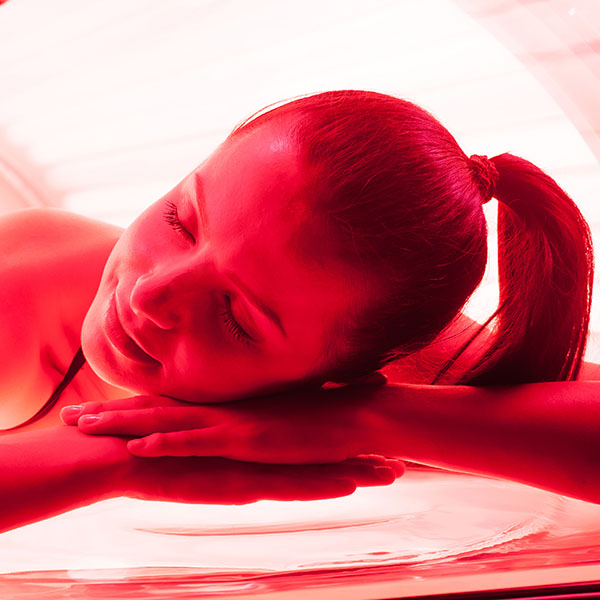
Session duration typically ranges from 10 to 20 minutes, depending on your specific treatment protocol. You may lie down or stand during treatment, depending on the type of device used. The experience of using whole body red light therapy bed is often described as deeply relaxing, with patients experiencing a gentle warmth and bright red glow surrounding them. Many find the sessions surprisingly soothing and use the time to unwind from daily stress.
Evidence-Informed Dosing and Frequency
Clinical research provides clear guidance on effective treatment schedules. A significant fibromyalgia study demonstrated remarkable results with 12 sessions delivered over approximately 4 weeks (3 sessions per week), with patients maintaining benefits for 6 months after treatment completion.
For athletic recovery, timing becomes crucial. Research on elite soccer players and broader exercise recovery studies show that sessions work best when scheduled around training and competition loads, typically within 24-48 hours of intense physical activity.
Treatment protocols differ significantly based on your goals:
Chronic pain conditions often require more frequent initial sessions (3 times weekly) followed by maintenance treatments
High-level athletic recovery focuses on strategic timing around training cycles
Skin and aesthetic goals typically use gentler, more frequent sessions
Metabolic or cardiovascular support may involve longer-term, consistent protocols
Your practitioner will design a personalised schedule based on your specific condition, lifestyle, and treatment objectives.
Combining Whole-Body PBM With Other Therapies
Whole-body photobiomodulation works exceptionally well alongside other treatments, often enhancing their effectiveness. Many patients see improved results when combining red light therapy with:
Physical therapies: Physiotherapy, exercise programmes, and strength training become more effective as PBM reduces inflammation and accelerates tissue repair. The improved cellular energy production supports faster recovery between sessions.
Manual therapies: Massage and other hands-on treatments complement PBM beautifully, as the enhanced circulation and reduced inflammation make tissues more responsive to manual techniques.
Nutrition and metabolic interventions: The metabolic benefits of red light therapy can amplify the effects of targeted nutrition programmes and metabolic health strategies.
Aesthetic treatments: When used as a recovery enhancer, PBM can improve healing after facial treatments, injectables, or body contouring procedures by supporting natural repair processes.
However, coordinated planning is essential. Your practitioner must carefully schedule treatments to avoid overlapping or excessive light exposures that could cause unwanted photochemical reactions. This is particularly important when combining with other light-based therapies or treatments that affect skin sensitivity.
The key to successful combination therapy lies in understanding how each treatment affects your body’s systems and timing them to work synergistically rather than competitively.
Separating Hype From Evidence: What Whole-Body Red Light Therapy Can and Cannot Do
When considering the experience of using whole body red light therapy bed treatments, it’s crucial to understand what science actually supports versus what marketing claims suggest. Let’s examine the evidence honestly.
Benefits Supported by Emerging or Moderate Evidence
Current research shows several promising areas where whole-body red light therapy may genuinely help:
Chronic Pain Relief: Studies demonstrate that red light therapy can reduce widespread pain, particularly in fibromyalgia patients. Research shows measurable improvements in pain scores and quality of life measures when treatments are applied consistently.
Exercise Recovery: Athletes and fitness enthusiasts may benefit from improved recovery markers. Clinical trials show reduced heart rate recovery times and lower levels of creatine kinase (a muscle damage marker) when red light therapy is used before intense exercise. Additional research confirms reduced oxidative stress following treatment.
Sleep Quality: For people dealing with pain or high training loads, red light therapy appears to support better sleep. Studies in elite soccer players showed improved sleep efficiency, whilst broader research suggests light therapy can help with insomnia symptoms.
Skin Improvements: When combined with targeted facial protocols, whole-body sessions may enhance skin quality. Controlled trials demonstrate measurable improvements in skin texture and appearance.
Areas With Promising but Preliminary Data
Several exciting areas show potential but need more research:
Heart Health: Early studies suggest red light therapy might support cardiovascular health and reduce vascular aging, though larger trials are needed.
Metabolic Support: As an add-on to healthy lifestyle changes, red light therapy may help with body composition. Review evidence suggests it could support weight management efforts, but it’s not a standalone solution.
Brain Health: Whilst most evidence focuses on head-targeted devices, research into neurodegeneration and Alzheimer’s trials suggest the therapy might benefit cognitive function.
Claims Not Currently Supported by Strong Evidence
Be wary of these unsupported claims:
Using red light therapy alone for significant weight loss without diet and exercise changes
“Miracle” anti-aging promises that sound too good to be true
Replacing proper medical treatment for serious conditions with red light therapy alone
Key Knowledge Gaps and Ongoing Research
Several important questions remain unanswered:
Dosing Details: We don’t yet know the perfect combination of light wavelength, intensity, session length, and frequency for different health goals.
Long-term Safety: Whilst short-term use appears safe, we need more data on what happens with regular whole-body sessions over months or years in healthy people.
Larger Studies: Most current research involves small groups. We need bigger, multi-centre trials for conditions like chronic pain, heart disease, and mental health concerns.
Understanding these evidence gaps helps set realistic expectations. Red light therapy shows genuine promise for specific conditions, but it’s not a cure-all. The key is working with qualified practitioners who understand both the potential benefits and current limitations.
How to Decide If Whole-Body Red Light Therapy Is Right for You
Choosing the right wellness treatment isn’t just about what sounds appealing—it’s about finding what truly matches your needs and goals. The experience of using whole body red light therapy bed sessions varies greatly depending on what you’re trying to achieve and how well the treatment aligns with your specific situation.
Aligning Treatment With Your Goals
Red light therapy works differently for different conditions, so understanding your primary goals helps determine if it’s the right fit.
Pain and Fibromyalgia If you’re dealing with chronic pain or fibromyalgia, red light therapy may help reduce inflammation and improve cellular energy production. Research shows that photobiomodulation can reduce pain intensity by up to 70% in some fibromyalgia patients. However, results typically take 4-6 weeks of consistent sessions to become noticeable.
Sports Performance and Recovery For athletes and active individuals, red light therapy can support faster muscle recovery and reduce exercise-induced oxidative stress. Studies demonstrate that pre-exercise red light therapy can improve performance by 13-15% when used consistently. Think of it as charging your cellular batteries before and after training.
Skin and Aesthetic Concerns Red light therapy stimulates collagen production and can improve skin texture and appearance. Clinical trials show significant improvements in fine lines and skin roughness after 12 weeks of treatment. The key is managing expectations—this isn’t an overnight transformation.
General Wellness and Healthy Ageing For overall wellness, red light therapy may support better sleep quality, improved circulation, and enhanced cellular function. Whilst these benefits are promising, they’re often subtle and build gradually over months rather than weeks.
Questions to Ask Your Provider
Before starting any red light therapy programme, ensure your provider can answer these essential questions:
What device is being used (wavelengths, irradiance)? Effective therapy requires specific wavelengths (typically 660-850nm) and adequate power density. Your provider should clearly explain their equipment specifications and why they’ve chosen particular settings for your condition.
What protocol do you recommend for my specific condition or goal, and how is it informed by evidence? Treatment protocols vary significantly. A reputable provider will explain their recommended frequency, duration, and total treatment course based on clinical evidence rather than general guidelines.
How will outcomes be measured? Proper monitoring might include pain scales for discomfort, sleep quality metrics, performance tests for athletic goals, or skin photography for aesthetic concerns. Without measurement, you can’t track genuine progress.
Are there any reasons I should not have sessions based on my medical history? Certain medications, skin conditions, or medical histories may make red light therapy unsuitable. A thorough health screening should always precede treatment.
Integrating Red Light Therapy Into a Broader Wellness Plan
Red light therapy works best as part of a comprehensive approach to health, not as a standalone solution.
Importance of Foundational Habits No wellness treatment can compensate for poor sleep hygiene, inadequate nutrition, lack of physical activity, or chronic stress. Research consistently shows that lifestyle factors account for 70-80% of health outcomes. Red light therapy should enhance these foundations, not replace them.
Red Light Therapy as a Supportive Modality Think of red light therapy as a supportive tool rather than a substitute for evidence-based medical care. If you have diagnosed medical conditions, continue working with your healthcare provider whilst exploring complementary approaches.
Yes, red light therapy requires time and consistency to show benefits… BUT when properly integrated into a broader wellness plan, many people find it enhances their overall health journey. The key is approaching it with realistic expectations and proper professional guidance.
Conclusion: A Balanced, Evidence-Informed View
The research paints a clear picture: whole body red light therapy beds show genuine promise, but we must be honest about what the evidence actually tells us.
The strongest scientific backing comes from two key areas. Fibromyalgia studies demonstrate meaningful pain relief for chronic conditions. Meanwhile, pre-exercise research confirms that red light therapy genuinely supports muscle recovery when used before training. These aren’t small effects—the data shows measurable improvements that matter to real people.
Beyond these proven benefits, encouraging signals emerge across several health areas. Elite soccer research suggests better sleep efficiency after sessions. Cardiovascular studies hint at heart health benefits, whilst skin rejuvenation research shows promising results for skin quality. The experience of using whole body red light therapy bed sessions appears to support multiple aspects of wellbeing simultaneously.
Safety remains excellent when treatments follow proper protocols. Comprehensive safety reviews confirm that red light therapy carries minimal risks under professional guidance. However, certain medical conditions and medications require careful consideration—another reason why expert oversight matters.
Yes, we need larger, longer-term trials to refine treatment protocols… BUT the current evidence already supports red light therapy as a valuable wellness tool. When integrated thoughtfully into comprehensive care plans, these beds offer a non-invasive approach to pain relief, recovery support, and healthy ageing.
The outlook is genuinely promising. Whole body red light therapy beds represent modern wellness at its best—scientifically grounded, practically useful, and refreshingly safe. As research continues to expand our understanding, these treatments are likely to become even more precise and effective.
Don’t just live – Thriyv