
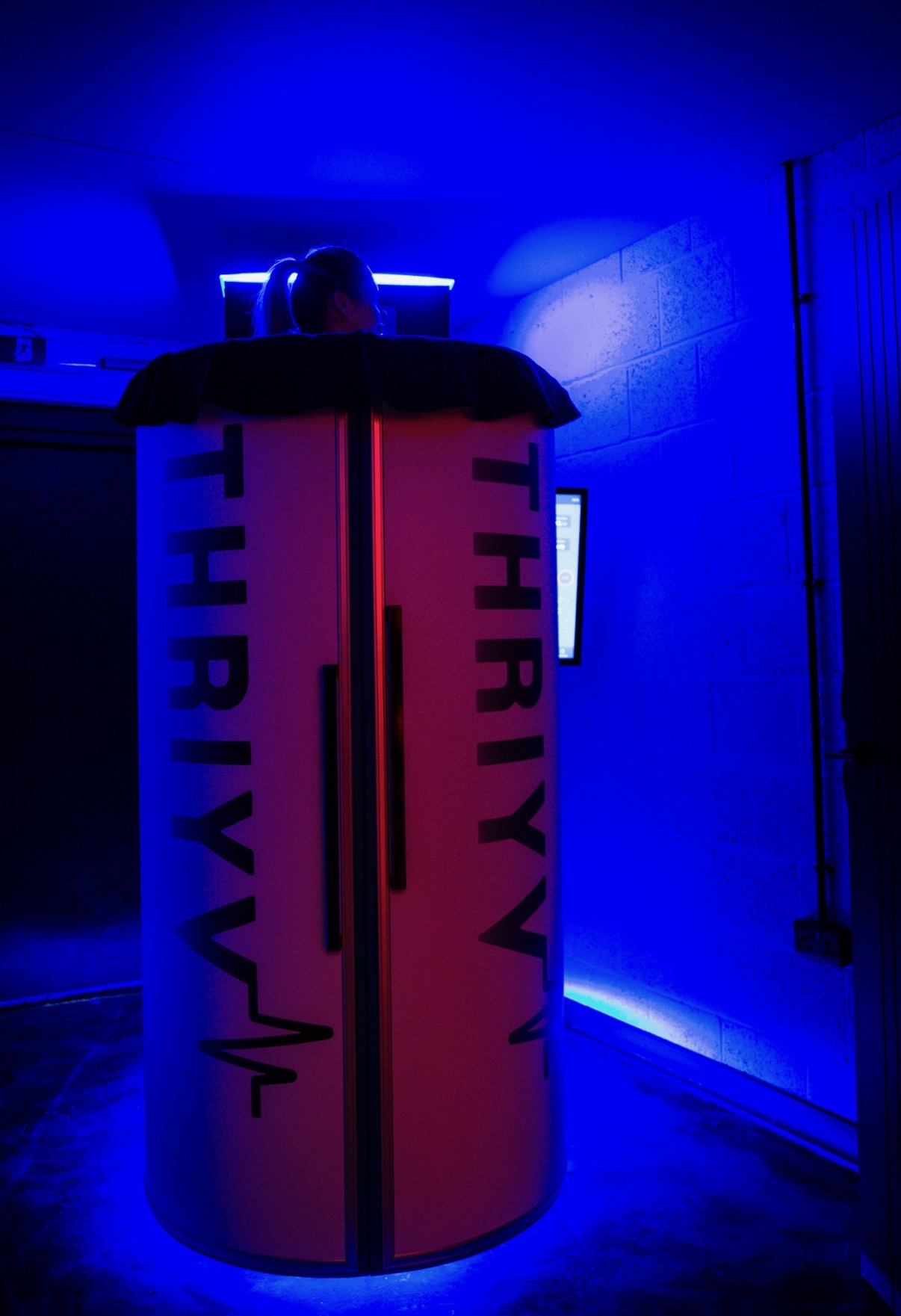
Why Cold Therapy Matters in the fight against inflammation to improve sleep and recovery.
Feeling run down? You’re not alone in Manchester’s often relentless pace of life.
Cryotherapy involves controlled, short exposures to very cold temperatures designed to trigger beneficial physiological responses. This includes whole-body cryotherapy (where your entire body experiences controlled cold), local cryotherapy (targeting specific areas), and cold-water immersion. Think of it as giving your body a controlled reset through carefully managed cold exposure.
Manchester professionals and busy parents face unique challenges that drain energy and disrupt recovery. Long commutes through city traffic, hours staring at computer screens, demanding shift work, and constant stress take their toll. Parents juggle late-night childcare with early morning starts, leaving little time for proper recovery. The result? Exhaustion becomes the norm.
Here’s where targeted cold exposure shows real promise. Research demonstrates that cryotherapy can improve sleep quality and nighttime recovery, helping your body repair more effectively whilst you rest. Studies also show it reduces fatigue and muscle soreness whilst supporting daytime energy, giving you back the vitality you need for demanding days.
Perhaps most importantly for stressed city dwellers, cold therapy can modulate stress, inflammation, and mood in ways that support resilience and performance. When your body handles stress better, everything else becomes more manageable.
Do you suffer from insomnia? Here’s how whole body cryotherapy can help by addressing the underlying inflammation and stress responses that often disrupt sleep patterns.
Yes, cryotherapy requires commitment and isn’t a magic solution. But when combined with healthy sleep habits, regular movement, and proper stress management, it becomes a powerful tool for reclaiming your energy and improving your quality of life. The key is understanding that cryotherapy works best as part of a broader approach to wellness, not as a standalone cure-all.
What Is Cryotherapy? A Quick, Evidence-Based Primer
Cryotherapy might sound complicated, but it’s simply controlled cold exposure used to help your body recover and feel better. Think of it as targeted cooling that triggers helpful changes in your body—far more precise than just being cold.
As someone with medical training, I’ve seen how proper cryotherapy can make a real difference for people struggling with poor sleep, fatigue, and recovery issues. But not all cold treatments are the same, so let’s break down what actually works.
Types of Cryotherapy Used in Wellness and Recovery
Whole-Body Cryotherapy (WBC)
This involves brief exposure—typically 2–3 minutes—in a specially designed chamber cooled to about −110°C to −150°C. Research shows this controlled approach is used for recovery, pain management, mood support, and performance enhancement. For those wondering if you suffer from insomnia, whole body cryotherapy can help by resetting your body’s stress response and supporting better sleep patterns.
Yes, it sounds extreme… BUT the short duration and medical supervision make it completely different from dangerous cold exposure.
Cold-Water Immersion (CWI)
This means immersion in 8–15°C water for 5–15 minutes. Studies demonstrate this method has a strong evidence base, particularly from sports and exercise recovery research. It’s effective but requires more time than whole-body cryotherapy.
Local Cryotherapy and Ice-Based Methods
Local application using ice packs or specialised cryo devices targets specific joints or muscles. Research indicates this approach is less systemic but useful for targeted pain and swelling reduction.
How Cryotherapy Affects Your Body in Minutes
When your skin rapidly cools, several important changes happen:
Blood Flow Changes Rapid cooling triggers vasoconstriction followed by reactive vasodilation. Clinical evidence shows this redistributes blood flow and reduces local swelling and inflammation—key factors that can disrupt sleep quality.
Nervous System Response Your autonomic nervous system responds with a sympathetic surge followed by parasympathetic rebound. Research demonstrates this affects heart rate, blood pressure, and stress hormones—all crucial for proper sleep cycles.
Brain Chemistry Shifts Cryotherapy triggers neurochemical changes, including rises in norepinephrine and shifts in pain signalling pathways. Studies show these changes are associated with improved alertness, mood, and natural pain relief.
Over repeated sessions, evidence suggests your inflammatory and antioxidant systems adapt, which may support long-term resilience and better recovery patterns.
Cryotherapy vs. Just “Being Cold”
Here’s what makes proper cryotherapy different: it’s brief, controlled, and supervised exposure with screening and safety protocols. Clinical research confirms this is completely different from chronic cold exposure or hypothermia risk.
Key differences include:
- Duration measured in minutes, not hours
- Monitoring of skin sensation and cardiovascular response
- Exclusion of people with clear contraindications
- Medical oversight to ensure safety
True, you could try cold showers at home… BUT controlled cryotherapy delivers far more precise temperatures and systematic benefits for sleep and recovery.
In my experience treating clients with sleep and energy issues, understanding these differences is crucial for getting real results safely.
The Sleep-Energy Crisis in Modern Professionals and Parents
How Stressful Work and Parenting Disrupt Sleep
Modern life creates the perfect storm for poor sleep. Between demanding work schedules, endless screen time, and the constant juggling act of parenting, your body’s natural sleep patterns take a serious hit.
The numbers tell a stark story: chronic stress and extended work hours are strongly linked to poor sleep quality and shorter sleep duration. When you’re constantly “switched on,” your body struggles to wind down naturally.
Think about your typical evening. You finish work late, check emails on your phone, help the children with homework, then collapse into bed with your mind still racing. Shift work, screen use at night, and caregiving responsibilities disturb circadian rhythms and slow-wave sleep (deep sleep). This deep sleep phase is crucial—it’s when your body repairs itself and consolidates memories.
The consequences show up quickly. Sleep disturbance contributes to next-day fatigue, impaired cognition, and reduced work performance. You find yourself reaching for extra coffee, struggling to concentrate in meetings, or feeling irritable with your family.
The Bi-Directional Loop: Poor Sleep, Low Energy, More Stress
Here’s where things get tricky—poor sleep doesn’t just make you tired. It actually changes your body’s chemistry in ways that make everything worse.
When you don’t sleep well, your body produces more inflammatory markers like IL-6 and CRP, whilst also disrupting your stress hormone patterns. Poor sleep leads to higher inflammatory markers and altered stress hormone patterns, creating a biological environment that fights against good rest.
This creates a vicious cycle. Poor sleep increases inflammation and stress hormones. These physiological changes worsen fatigue and mood, making it even harder to fall asleep or stay asleep the next night. Before you know it, you’re trapped in a pattern that feels impossible to break.
For busy professionals and parents, this presents a particular challenge. Traditional sleep interventions often require significant time commitments—lengthy bedtime routines, hour-long meditation sessions, or complex sleep hygiene protocols. When you’re already stretched thin, finding time for these approaches feels overwhelming. This is why there’s growing interest in time-efficient tools that can help reset your sleep patterns quickly. Do you suffer from insomnia? Here’s how whole body cryotherapy can help—it takes just three minutes but may offer significant benefits for your sleep quality.
Why an Evidence-Based Non-Drug Option Matters
Many people turn to sleeping tablets when exhaustion becomes unbearable. Whilst these can provide short-term relief, they’re not without risks.
Pharmacological sleep aids can carry risks of dependence, cognitive side effects, and daytime grogginess, especially with long-term use. You might fall asleep faster, but wake up feeling foggy or find yourself needing higher doses over time.
The medical community increasingly recognises this concern. Guidelines now emphasise non-pharmacological interventions as first-line treatment for many patients. This includes behavioural sleep strategies, light management, exercise, and adjunct modalities like cryotherapy.
Non-drug approaches work with your body’s natural systems rather than overriding them. They help address the underlying causes of sleep disruption—like inflammation and stress hormone imbalances—rather than simply masking the symptoms.
For professionals and parents juggling multiple responsibilities, finding an evidence-based option that doesn’t require prescription monitoring or worry about side effects offers genuine peace of mind. The goal isn’t just to sleep more, but to sleep better whilst maintaining your energy and cognitive performance during the day.
How Cryotherapy Improves Sleep Quality
3.1 Objective Sleep Improvements After Evening Cryotherapy
Research shows that evening whole body cryotherapy can make a real difference to how well you sleep. In a trial with healthy, active adults, participants received 3 minutes of WBC at around −40°C after training, compared to passive recovery.
The results were impressive:
- Fewer nighttime movements recorded on sleep monitors, showing more solid, uninterrupted sleep
- Better sleep quality ratings from participants compared to the control group
- Stronger parasympathetic nervous system activity during deep sleep phases, suggesting more restorative rest
This matters particularly for busy professionals who often carry elevated stress from work and family responsibilities into the evening. Do you suffer from insomnia? Here’s how whole body cryotherapy can help reset your nervous system for better sleep.
3.2 Sleep Quality in Athletically Stressed Individuals (Model for Overworked Adults)
A study in runners performing muscle-damaging exercise compared WBC to other recovery methods including contrast hydrotherapy and cold water immersion. The findings showed that WBC produced greater improvement in Pittsburgh Sleep Quality Index (PSQI) scores than control groups, with participants reporting better sleep and reduced nighttime discomfort.
What’s particularly relevant is that intense training creates similar stress patterns to demanding jobs—inflammation, muscle tension, and elevated stress hormones. This suggests the sleep benefits seen in athletes likely apply to non-athletes dealing with chronic work stress and fatigue.
3.3 Evidence from Clinical Populations with Sleep Disturbance
Clinical trials show promising results for people with existing sleep problems. In a multiple sclerosis study, patients received 10 WBC sessions over 2 weeks, with significant improvements in PSQI scores. Interestingly, some benefits became more pronounced during the 10-day follow-up period, suggesting the body adapts and continues improving even after treatment ends.
Similar benefits appear in rheumatologic conditions. WBC treatment for ankylosing spondylitis and rheumatoid arthritis reduces pain and inflammation, which naturally leads to better sleep quality as nighttime discomfort decreases.
3.4 Mechanisms: From Cold Exposure to Deeper, More Restorative Sleep
3.4.1 Autonomic Nervous System Reset
WBC at −110°C creates a strong but brief stress response, followed by enhanced parasympathetic dominance during recovery. Research shows this produces:
- Increased heart rate variability indicating better vagal (rest-and-digest) nervous system activity
- Improved ability to switch from “fight-or-flight” to “rest-and-digest” mode across repeated sessions
This is particularly helpful for people who struggle to “switch off” at bedtime, as the treatment trains your nervous system to transition more effectively into rest mode.
3.4.2 Thermoregulation and Sleep Onset
Natural sleep onset depends on your core body temperature dropping whilst heat loss increases from your hands and feet. Controlled cold exposure activates thermoregulatory pathways that may enhance your body’s natural evening cooling process.
Some research suggests cold exposure can alter sleep stage distribution and increase delta power—the brain waves associated with deep, restorative non-REM sleep.
3.4.3 Inflammation, Pain, and Sleep Disruption
Inflammation and pain are major drivers of poor sleep quality. WBC addresses this by:
- Reducing pro-inflammatory markers such as IL‑6 and IL‑8
- Increasing anti-inflammatory interleukin‑10 and improving oxidative stress markers over repeated sessions
Clinical trials in inflammatory conditions consistently show less pain and improved function after WBC, which translates directly to less nighttime discomfort and better sleep.
3.5 Acute vs. Cumulative Sleep Benefits
Single sessions can provide measurable improvements in sleep quality after one evening WBC treatment, especially following high physical or mental stress.
Multi-session courses (typically 8–10 sessions over 2–3 weeks) show greater and more sustained improvements in sleep, fatigue, and mood. These likely reflect deeper adaptations in your autonomic nervous system, immune function, and antioxidant systems working together to support better rest and recovery.
From Exhausted to Energised: Cryotherapy’s Impact on Fatigue and Daytime Energy
Feeling drained by 3pm? Your body might be stuck in a cycle of incomplete recovery. After treating many clients dealing with persistent tiredness, I’ve seen how targeted cold therapy can break this pattern—but not in the way most people expect.
Muscle Recovery and Physical Fatigue
When you exercise, your muscles create microscopic damage that needs repair. Without proper recovery, this damage builds up, leaving you feeling constantly tired and weak. Research shows that whole body cryotherapy and cold water immersion significantly reduce muscle soreness and help restore strength faster after tough workouts.
The science is clear: controlled trials demonstrate smaller drops in strength and power when cold therapy is applied after exercise, particularly 24 hours later. This means less delayed muscle soreness and better readiness for your next training session.
For busy professionals and parents who squeeze workouts into early mornings or late evenings, faster recovery translates directly to more consistent training and less exhaustion throughout the day. Yes, you could try ice baths at home… BUT controlled cryotherapy delivers precise temperatures that penetrate deeper for better results.
Cryotherapy and Chronic Fatigue in Medical Conditions
Tiredness isn’t always about poor sleep or overwork. Sometimes it’s your body fighting ongoing inflammation. In people with rheumatoid arthritis and other inflammatory conditions, whole body cryotherapy has been linked to improvements in fatigue scores alongside pain relief.
Even more promising, studies on multiple sclerosis patients show that cryotherapy courses improved both fatigue and sleep quality. This suggests that if you suffer from insomnia, here’s how whole body cryotherapy can help—by tackling central fatigue, the brain and body-wide drivers of tiredness, not just local muscle soreness.
Autonomic and Neurochemical Drivers of Energy and Focus
Here’s what happens inside your body during cryotherapy: the extreme cold triggers a surge in norepinephrine, a brain chemical involved in attention, alertness, and mood. Think of it as your body’s natural energy boost.
After this initial response, something interesting occurs. Heart rate variability data shows a shift towards more efficient nervous system regulation. This pattern—short burst of alertness followed by deeper relaxation—can provide an immediate sense of clarity post-session whilst improving your overall resilience to stress over time.
In my clinical experience, clients often report feeling more mentally sharp for hours after treatment, with reduced baseline fatigue building over weeks of regular sessions.
Physical Performance and Functional Capacity
The benefits extend beyond the gym. Research on maximum exercise performance after whole body cryotherapy shows improved endurance and faster heart rate recovery, likely through enhanced parasympathetic nervous system activity.
Post-surgical studies combining cryotherapy with compression show better pain control and improved limb function compared to standard icing alone. For day-to-day life, this translates into easier stair-climbing, more comfortable play with children, and better tolerance of long workdays.
True, building these benefits takes consistency… BUT when you understand that each session is working with your body’s natural recovery systems, the investment makes sense. My approach remains simple: treatments that genuinely help, delivered with medical precision.
Deeper Mechanisms: Why Cryotherapy Can Support Long-Term Resilience
Inflammation and Immune Modulation
Your body’s immune system works like a security team—sometimes it gets overexcited and causes more harm than good. Whole body cryotherapy helps calm this overreaction by changing how your immune system responds.
When you have repeated WBC sessions, your body produces fewer inflammatory chemicals called cytokines. Research shows significant decreases in pro-inflammatory markers like IL-6, IL-2, and IL-8 after multiple cryotherapy sessions. At the same time, your body increases production of helpful anti-inflammatory substances such as IL-10.
This matters because chronic inflammation is like having a car alarm that won’t switch off—it drains your energy and disrupts your sleep. Studies in people with long-term inflammatory conditions like arthritis show clinically meaningful improvements in pain and daily function after cryotherapy treatment.
When inflammation levels drop, people experience better sleep quality, higher energy levels, and reduced risk of heart and metabolic problems. If you suffer from insomnia, this anti-inflammatory effect could be one way cryotherapy helps reset your sleep patterns.
Oxidative Stress and Antioxidant Adaptation
Think of oxidative stress as rust building up inside your cells. Your body has natural rust-busters called antioxidants, but sometimes they need a boost to work properly.
Repeated WBC acts like a controlled challenge that strengthens your body’s own antioxidant defences, including important enzymes like superoxide dismutase and catalase. It’s similar to how lifting weights makes your muscles stronger—the controlled stress of cold exposure makes your cellular protection systems more effective.
When this balance improves, you may notice:
- Less fatigue throughout the day
- Faster recovery from exercise or stress
- Better protection against long-term health issues linked to cellular damage
Metabolic Effects and Brown Fat Activation
Your body has two types of fat tissue. White fat stores energy, whilst brown fat burns energy to create heat. Cold exposure switches on this brown fat, increasing your energy expenditure through non-shivering heat production.
Controlled cold therapy may also improve how well your body uses insulin and manages blood sugar in some people, which connects to better energy levels and reduced daytime sleepiness.
Whilst research specifically on WBC and metabolism is still developing, these effects likely contribute to the “all-day energy” that many clients report when combining regular sessions with good nutrition.
Mood, Stress, and Brain Function
Chronic stress is one of the biggest causes of poor sleep and fatigue. When your stress response system stays switched on, it’s like trying to sleep with bright lights on—nearly impossible.
The changes in your nervous system and inflammation levels from cryotherapy may help build stress resilience. Early research and client feedback suggest improvements in mood and anxiety-related symptoms after repeated WBC sessions, though we need larger studies to fully understand these effects.
When mood improves and anxiety reduces, sleep quality often follows. This creates a positive cycle—better sleep leads to more energy, which supports better stress management, which improves sleep further.
Safety, Risks, and Who Should Avoid Cryotherapy
Overall Safety Profile
When whole body cryotherapy is delivered in properly regulated settings with appropriate screening, it’s generally well tolerated. Most people experience only mild, temporary side effects that pass quickly.
Common side effects include:
- Brief skin redness or numbness
- Short-lived shivering immediately after your session
- Feeling slightly “wired” or energised for a brief period
These effects are normal responses to cold exposure and typically disappear within minutes.
Documented Risks and What Can Go Wrong
Whilst cryotherapy is generally safe, things can go wrong when proper protocols aren’t followed. Case reports describe frostbite and cold burns when equipment is faulty or safety guidelines are ignored.
The extreme cold can also trigger cardiovascular events in high-risk individuals. Research shows that cold exposure causes sudden changes in blood pressure and heart rate, which could be dangerous for people with unstable heart conditions.
This is why professional medical screening matters—it’s not just about following rules, it’s about keeping you safe.
Who Should Generally Avoid Cryotherapy
Certain people should avoid whole body cryotherapy unless under specialist medical guidance:
- Unstable cardiovascular disease (recent heart attack, unstable angina, uncontrolled irregular heartbeat)
- Severe peripheral vascular disease or history of cold-related injury
- Decompensated heart failure or severe respiratory disease
- Severe, poorly controlled high blood pressure
- Pregnancy (we recommend avoiding as a precaution)
Who Needs Individual Medical Assessment
Some conditions require careful individual assessment before proceeding:
- Diabetes with nerve damage (neuropathy)
- Raynaud’s phenomenon (poor circulation in fingers and toes)
- Autoimmune disease flares
- Use of certain medications affecting circulation or sensation
For those wondering “do you suffer from insomnia? Here’s how whole body cryotherapy can help”—even sleep-related treatments require proper safety screening first.
Why Professional Screening Matters
At Thriyv, our medical background means we understand anatomy and physiology inside and out. Professional pre-screening, adherence to time and temperature limits, and proper supervision during sessions aren’t just recommendations—they’re essential safety measures.
Yes, this screening process takes time… BUT it ensures you’re a suitable candidate and helps prevent serious complications. My promise remains simple: we only proceed if it’s right for you, and your safety always comes first.
Practical Protocols: How Busy Professionals and Parents Can Use Cryotherapy
Session Timing for Sleep vs. Energy
Timing your cryotherapy sessions correctly makes all the difference for busy professionals and parents juggling demanding schedules.
For better sleep: Research shows that using whole body cryotherapy in the late afternoon or early evening works best for improving sleep quality. Evidence supports using WBC in the late afternoon or early evening, particularly after exercise or a stressful workday, allowing several hours before bedtime for autonomic and temperature normalisation. This timing gives your body several hours to normalise its temperature and nervous system before bedtime.
Think of it this way: after a stressful day at the office or chasing after children, your body needs time to shift from “alert mode” to “rest mode.” The cold exposure initially activates your stress response, but then triggers a deeper relaxation phase that supports better sleep.
For daytime alertness and energy: Morning or midday sessions provide an acute boost in alertness through increased norepinephrine whilst still supporting later recovery. Morning or midday sessions can provide an acute boost in alertness via norepinephrine while still supporting later parasympathetic recovery. This makes them perfect for busy parents who need energy for the day ahead or professionals facing afternoon energy dips.
Frequency and Course Length
For general stress, sleep, and energy improvements, research suggests a structured approach rather than random sessions.
Initial course: 2–3 sessions per week over 2–4 weeks (6–10 total sessions) aligns with protocols used in multiple sclerosis and rheumatology studies that demonstrated clear benefits. This frequency is consistent with protocols used in MS and rheumatology studies showing benefits across various health conditions.
Ongoing maintenance: 1–2 sessions per week works well as part of a broader recovery routine that includes proper sleep hygiene, regular movement, and good nutrition. This approach suits professionals with continued high demands who need sustainable wellness practices.
Combining Cryotherapy with Exercise and Recovery Routines
The real power of cryotherapy emerges when you integrate it thoughtfully with your existing routines.
Post-work or post-gym sessions: Whole body cryotherapy enhances muscle recovery and sleep quality when used after evening training sessions. Research demonstrates enhanced muscle recovery and sleep after evening training when combined with proper timing.
After your session, light movement and stretching support circulation and help your body process the cold exposure more effectively. Adequate hydration and a balanced meal afterwards support your metabolic and thermogenic responses.
For busy Manchester professionals, this might mean scheduling cryotherapy after your evening gym session or before heading home after a particularly demanding workday.
Home-Based Cold Tools vs. Clinic WBC
Not every cold exposure needs to happen in a clinic, but understanding the differences helps you make informed choices.
Home cold water immersion or cool showers: These offer an accessible option with evidence supporting exercise recovery and possible mood and sleep benefits. Home CWI shows evidence for exercise recovery and possible mood/sleep support. However, they’re less precisely controlled and require good understanding of safety limits.
For busy parents, a 1–3 minute cool water finish to your regular shower can provide light maintenance between professional sessions.
Clinic-based whole body cryotherapy: This involves more extreme, shorter exposures with professional monitoring—the approach used in much of the sleep and fatigue research. The controlled environment and medical oversight ensure safety whilst delivering more precise therapeutic benefits.
Realistic approach for busy Manchester parents and professionals: Periodic whole body cryotherapy “blocks” for deeper resets work well combined with simple home cold practices on non-clinic days. This gives you the clinical benefits when you need them most, with practical maintenance options that fit your daily routine.
Do you suffer from insomnia? This structured approach to cryotherapy timing and frequency offers a practical pathway to better sleep and energy levels, even with the busiest lifestyle.
Tailored Strategies: Professionals vs. Busy Parents
Different lifestyles need different approaches to cryotherapy. Your work pattern, sleep schedule, and daily commitments all affect when and how often treatments work best.
Office-Based and Hybrid-Working Professionals
Desk workers face unique challenges. Hours of sitting create neck and back pain. Late emails keep minds racing. You feel “wired and tired” – exhausted but unable to switch off.
Cryotherapy helps in three key ways:
- Reduces muscle tension from poor posture
- Calms an overactive mind after intense work days
- Boosts morning energy without relying heavily on caffeine
Weekly plan example (with medical clearance):
- Two evening sessions after work (Monday and Thursday) to improve sleep and recovery
- Optional midday session during high-pressure periods when your schedule allows
This approach tackles both physical strain and mental overstimulation that office work creates.
Shift Workers and Healthcare/Emergency Staff
Irregular hours disrupt your body’s natural sleep-wake cycle. Night shifts leave you trying to sleep when your body expects to be awake.
Cryotherapy may help by:
- Supporting recovery after demanding night shifts
- Helping consolidate sleep during unusual sleep windows by calming your nervous system
Timing matters crucially. Sessions need careful scheduling relative to your planned sleep time. Too close to bedtime might leave you feeling too alert when you need rest.
For those wondering “do you suffer from insomnia? Here’s how whole body cryotherapy can help” – shift workers often see benefits when treatments align with their unique sleep patterns.
Parents of Young Children
Broken nights and unpredictable sleep patterns leave parents exhausted. Time for self-care feels impossible when children need constant attention.
Cryotherapy offers practical advantages:
- Very short sessions (2-3 minutes in the chamber) plus minimal preparation time
- May help “reset” your system after several poor nights by improving both sleep quality and mood
- Fits into brief windows when childcare is available
Realistic approach:
- One to two sessions weekly, aligned with when you have childcare support
- Focus sessions before your longest expected sleep opportunity (perhaps when your partner handles night duties)
The key is working with your reality, not against it. Even irregular cryotherapy can provide benefits when timed thoughtfully around your family’s needs.
Setting Expectations: What Results Can You Reasonably Expect?
What the Evidence Supports
If you suffer from insomnia, understanding what whole body cryotherapy can realistically deliver helps you make informed decisions about your treatment journey.
Short term (after several sessions):
Research shows promising results for sleep quality improvements. Studies demonstrate improved subjective sleep quality and fewer nighttime awakenings in stressed or physically active adults. This means you might notice falling asleep more easily and waking up less during the night after just a few cryotherapy sessions.
Beyond sleep, you’ll likely experience reduced muscle soreness and quicker recovery from exercise or long workdays. Think of it as your body’s repair system working more efficiently.
Many clients also report better perceived energy and lower fatigue, particularly those dealing with chronic inflammatory conditions. This makes sense because reducing inflammation helps your body redirect energy towards recovery rather than fighting ongoing stress.
Medium term (after 2–4 weeks):
The real benefits build over time. More consistent sleep and energy benefits occur as your autonomic, inflammatory, and antioxidant systems adapt to regular cryotherapy sessions. Your body essentially becomes better at managing stress and recovery naturally.
Individual Variability
Here’s the honest truth: responses vary significantly between individuals. Your results depend on several factors:
- Baseline fitness and health status – Those with higher inflammatory loads often see more dramatic improvements
- Current pain levels – Chronic pain sufferers may notice sleep benefits sooner
- Sleep habits and work schedules – Shift workers might need longer to see consistent patterns
- Psychosocial stress levels – High-stress individuals often respond well to the nervous system reset
Some people feel immediate benefits after their first session. Others notice changes only after multiple treatments. Both responses are completely normal.
Integrating Cryotherapy into a Comprehensive Plan
Yes, cryotherapy can help with sleep issues… BUT it works best as part of a broader approach. The most successful outcomes occur when whole body cryotherapy combines with:
- Consistent sleep-wake schedule where your lifestyle allows
- Good light exposure patterns – bright light during the day, reduced screens at night
- Regular movement routine – even light exercise supports the benefits
- Mental health support such as CBT-I, counselling, or mindfulness when needed
For complex cases involving diagnosed insomnia disorder, mood disorders, or chronic pain conditions, collaboration between cryotherapy practitioners and healthcare professionals is advisable. This ensures you receive comprehensive care that addresses all aspects of your sleep challenges.
My medical training means I always consider the bigger picture. Sometimes cryotherapy is exactly what you need. Other times, it’s one piece of a larger wellness puzzle.
Key Questions Professionals and Parents Often Ask
Will Cryotherapy Replace My Sleep Medication or Coffee?
Many busy professionals wonder if whole body cryotherapy can replace their usual sleep aids or morning stimulants. The simple answer is no—evidence does not support replacing prescribed medication without medical supervision.
Think of cryotherapy as a supportive tool rather than a replacement. It works by reducing inflammation and helping your nervous system reset, which can naturally improve your baseline energy levels. This means you might find yourself relying less on that third cup of coffee or feeling more naturally tired at bedtime.
The key is combining cryotherapy with healthy sleep habits—not using it instead of them. If you suffer from insomnia, cryotherapy should complement your existing treatment plan, not replace medical advice.
How Quickly Will I Sleep Better?
This is one of the most common questions we hear at our Manchester clinic. The good news? Some studies show improved sleep scores after single sessions, though more consistent benefits typically arise after several sessions across 1–3 weeks.
Here’s what most clients experience:
- After one session: Many feel more relaxed and notice better sleep quality that night
- Week 1-2: Sleep patterns begin to stabilise
- Week 3 onwards: Deeper, more restorative sleep becomes the norm
Yes, it takes time to build lasting benefits… BUT that’s because we’re working with your body’s natural recovery systems, not forcing quick fixes that don’t last.
Is It Safe If I’m Always Tired and Stressed?
Feeling constantly exhausted doesn’t automatically rule out cryotherapy. Fatigue alone is not a contraindication, but screening for cardiovascular, metabolic, or neurological conditions is essential before starting treatment.
At Thriyv, our medical approach means we always conduct a thorough health review first. This helps us:
- Determine the safest treatment protocol for you
- Identify whether medical clearance is needed
- Tailor sessions to your specific stress and fatigue levels
My promise remains simple: your safety comes first. We only proceed if cryotherapy is genuinely right for your situation.
Do I Need to Be an Athlete to Benefit?
Absolutely not. Whilst cryotherapy is popular with athletes, evidence from multiple sclerosis and rheumatology populations shows benefits in non-athletes with chronic fatigue and pain. Research demonstrates that the physiological benefits—reduced inflammation, better nervous system balance, and pain relief—are relevant to anyone dealing with high stress and poor sleep.
Whether you’re a busy parent juggling work and family, or a professional dealing with constant pressure, your body experiences similar stress responses to an athlete’s. The difference is your recovery time might be even more limited—making cryotherapy’s efficiency particularly valuable.
In my experience treating clients across Manchester’s city centre, some of our best results come from non-athletes who simply need their energy back.
Clinical and Scientific Gaps: What We Still Don’t Know
Whilst whole body cryotherapy shows promise for sleep improvement, significant gaps remain in our understanding. As a medical professional, I believe in presenting the complete picture—including what we don’t yet know.
Limited Evidence Base
Current research faces several important limitations. Many WBC studies have small sample sizes and short follow-up durations, making it difficult to draw firm conclusions about long-term effectiveness. Think of it this way: studying 20 people for two weeks doesn’t tell us how cryotherapy affects sleep over months or years.
The variety in treatment protocols creates another challenge. Different studies use varying temperatures, session lengths, and treatment frequencies. This makes comparing results like comparing apples to oranges—we can’t be certain which approach works best.
Perhaps most importantly for our Manchester clients, there’s limited high-quality research specifically examining working-age parents and professionals facing real-world stressors. Most studies focus on athletes or controlled laboratory conditions, not busy professionals juggling work deadlines and family responsibilities.
What Research Still Needs to Answer
Several key questions remain unanswered about cryotherapy’s sleep benefits:
Long-term effectiveness: Do sleep improvements last beyond the initial treatment period? We need larger randomised trials tracking participants for months, not weeks.
Real-world performance: How does better sleep from cryotherapy translate to actual improvements in daytime cognition and work performance? This matters enormously for professionals seeking practical benefits.
Mental health outcomes: Does improved sleep through cryotherapy help reduce anxiety and depression in high-stress occupational groups? The connection seems logical, but we need solid evidence.
Accessibility comparisons: How does expensive whole body cryotherapy compare to more accessible cold-water immersion or cold showers? For many people, this practical question determines whether treatment is feasible.
The Bottom Line
Yes, early research suggests cryotherapy may help with sleep… BUT we need more comprehensive studies before making definitive claims. My approach remains cautious: I only recommend treatments where evidence supports real benefits for people like you.
This doesn’t mean cryotherapy isn’t worth considering—it means we should approach it with realistic expectations whilst researchers continue building our understanding.
Summary: A Science-Backed Tool for Sleep and Energy in a Busy Life
Cryotherapy is a time-efficient, evidence-informed modality that offers practical solutions for Manchester professionals and busy parents struggling with sleep and energy challenges.
The research demonstrates clear benefits across multiple areas:
Sleep Quality and Recovery Studies show that cryotherapy can improve sleep quality and autonomic recovery, especially after stressful days and intense exercise. This is particularly valuable for those juggling demanding work schedules or parenting responsibilities. The treatment works by helping your nervous system reset after periods of high stress or physical activity, supporting better autonomic recovery that translates into more restful sleep.
Pain and Inflammation Reduction Chronic pain and inflammation often underlie poor sleep patterns and persistent fatigue. Research confirms that cryotherapy can reduce pain and inflammation that frequently disrupts sleep cycles. By addressing these root causes, the treatment helps break the cycle of poor sleep leading to increased inflammation and fatigue.
Enhanced Daytime Energy and Performance The benefits extend beyond nighttime rest. Clinical evidence shows that cryotherapy can support higher daytime energy and performance through improved recovery and autonomic flexibility. This means better focus during work hours and more energy for family time.
Practical Application for Busy Lives For Manchester professionals and busy parents, structured cryotherapy—delivered safely and integrated into a wider recovery plan—offers a practical way to reclaim sleep, energy, and resilience despite demanding schedules. Sessions typically take just minutes, making them feasible even for the busiest lifestyles.
The key lies in proper implementation: working with qualified practitioners who understand how to integrate cryotherapy safely into your existing routine, ensuring you get maximum benefit from this evidence-based approach to better sleep and sustained energy.
Don’t just live – Thriyv