
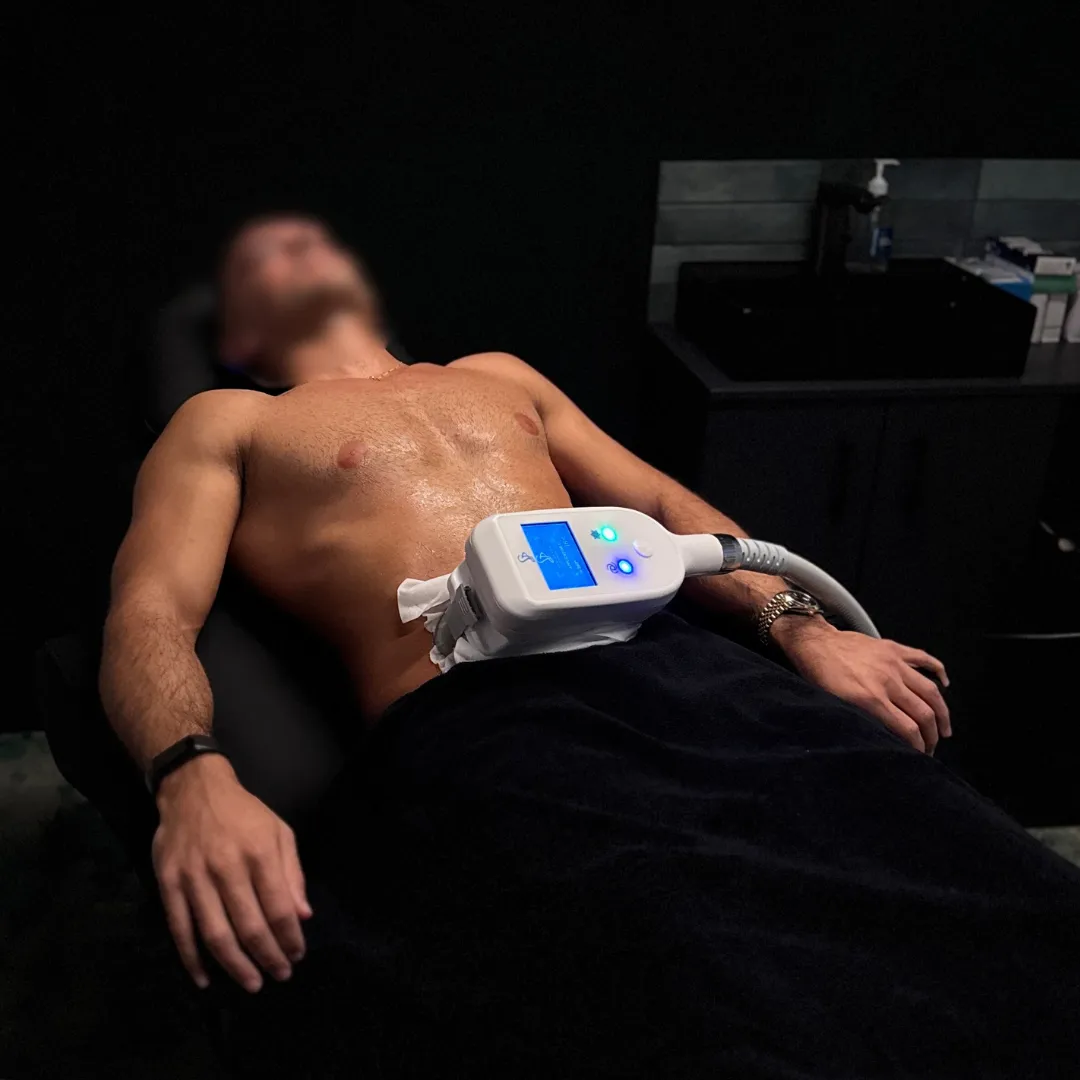
The New Era of Body Contouring in 2026 with cryo lipolysis fat freezing
Body contouring has changed dramatically. Where traditional liposuction once dominated, 2025 marks a clear shift towards non-surgical fat freezing as the preferred choice for women seeking visible results without surgery.
Let’s clarify the terminology that often causes confusion. “Fat freezing” and “cryolipolysis” refer to the same scientifically-proven process—using controlled cooling to target and eliminate stubborn fat cells. Research demonstrates this technique safely reduces fat in treated areas by crystallising fat cells, which your body then naturally processes away over the following months.
“Non-surgical body contouring” is the broader umbrella term covering all treatments that reshape your body without incisions, anaesthesia, or surgical recovery time. This includes fat freezing, but also encompasses other technologies like radiofrequency and ultrasound-based treatments.
At modern aesthetics clinics, the focus has shifted entirely. We prioritise safe, evidence-based, technology-led solutions that deliver measurable results whilst you continue your normal routine. No downtime. No surgical risks. Just proven science working with your body’s natural processes.
This represents a fundamental change in how we approach body contouring. Rather than invasive procedures requiring weeks of recovery, today’s treatments work gradually and naturally. The fat cells are eliminated permanently, but your body processes them away slowly—typically over 8-12 weeks.
Every recommendation in this article stems from peer-reviewed research and extensive clinical datasets examining cryolipolysis effectiveness, non-surgical fat reduction outcomes, and comprehensive treatment comparisons. The evidence consistently shows that when performed correctly, these treatments offer genuine, lasting results.
What makes 2025 different? The technology has matured. The research is conclusive. And women increasingly choose treatments that fit their lives, rather than requiring their lives to fit around lengthy recovery periods.
Understanding the Options: Fat Freezing vs. Liposuction
What Is Non‑Surgical Fat Freezing (Cryolipolysis)?
Non-surgical fat freezing, also known as cryolipolysis, is a controlled cooling technology that selectively damages fat cells (adipocytes) without incisions, anaesthetic or needles. This innovative approach offers a completely different experience from traditional surgical methods.
The science behind fat freezing is surprisingly straightforward. Fat cells are more sensitive to cold than your skin, nerves and muscle tissue. During treatment, controlled cooling causes crystallisation of fat inside the fat cells themselves. This triggers programmed cell death (apoptosis) and a local inflammatory response. Think of it as your body’s natural cleanup process being activated.
Over weeks to months, the body’s immune system gradually clears these damaged fat cells. What makes this treatment particularly appealing is that surrounding tissues (epidermis, dermis, nerves) are largely spared when devices are used correctly. Research confirms this selective targeting approach is both effective and safe when performed by trained professionals.
What Is Liposuction?
Liposuction is a surgical procedure that removes fat through thin tubes called cannulas inserted under the skin, often under general or tumescent anaesthesia. The typical process involves infiltration of fluid, making incisions, suctioning of fat, closure, compression garments, and a recovery period.
Common indications include larger volume fat removal and combination procedures such as abdominoplasty with liposuction. This surgical approach can address significant body contouring goals in a single session, making it suitable for substantial reshaping requirements.
Key Differences at a Glance
The contrast between these approaches is significant. Liposuction requires incisions, anaesthesia and an operating theatre, whilst cryolipolysis uses an external applicator in a clinic setting. This fundamental difference affects every aspect of your experience.
Recovery varies dramatically between the two methods. Liposuction typically requires days to weeks with activity restrictions, whilst most cryolipolysis patients return to normal activities immediately. For busy lifestyles, this difference can be crucial.
The risk profiles differ substantially too. Liposuction carries systemic surgical risks including bleeding, infection, venous thromboembolism, and pulmonary complications. In contrast, cryolipolysis predominantly causes mild, transient local side‑effects such as redness, numbness, and swelling.
Choosing between these options depends on your specific goals. Liposuction suits larger-volume reshaping with a single intervention, whilst fat freezing excels at gradual, focused contouring of stubborn pockets of fat. Each has its place in modern body contouring, and understanding these differences helps you make an informed choice.
The Science Behind Fat Freezing: How It Works and What Studies Show
Mechanism of Selective Fat Cell Destruction
Fat freezing works because fat cells are more sensitive to cold than other tissues in your body. When exposed to controlled cooling, fat cells (called adipocytes) begin to die naturally whilst your skin, muscles, and nerves remain unharmed. This process is called apoptosis – essentially, the fat cells shut down and break apart.
Research shows that adipocytes undergo this natural cell death at temperatures that skin and muscle can easily tolerate. This selective targeting is what makes non-surgical liposuction possible.
What happens after treatment is fascinating. Post-treatment tissue samples show inflammation and fat cell death peaking around 30 days, with complete clearance of dead fat cells by 90 days. Importantly, studies confirm that when protocols are properly followed, the epidermis, dermis, hair follicles and nerves are preserved. This is why proper medical oversight matters – the difference between safe, effective treatment and potential complications often comes down to technique and experience.
Quantifiable Fat Reduction: What Do Clinical Trials Report?
The results from clinical studies are encouraging. Multiple research reviews show consistent fat layer reduction in treated areas:
Calliper measurements reveal average reductions of 14.7-28.5% in treated areas, whilst ultrasound-measured fat thickness shows mean reductions of 10.3-25.5%.
A comprehensive U.S.-based review of fat freezing outcomes found:
Ultrasound measurements: 2.0-5.1mm (approximately 19.6-32.3%) fat layer reduction
Calliper measurements: 2.3-7mm (approximately 14.9-21.5%) reduction
Perhaps most importantly for those considering treatment, a large-scale analysis of body measurements showed:
Mean BMI reduction of approximately 1.8 kg/m² at 12 weeks
Mean abdominal circumference reduction of approximately 3.6cm
Suprailiac fat thickness reduced by approximately 5.2mm at 12 weeks
The key takeaway? Fat freezing reliably delivers modest but visible body contouring changes per treatment cycle, with the best results appearing over 2-3 months. It’s not dramatic weight loss, but it is measurable body reshaping.
Can Fat Freezing Influence Metabolism, Not Just Volume?
Emerging research suggests fat freezing might do more than simply reduce fat volume. Early studies indicate the treatment may actually improve how the remaining fat tissue functions.
Pilot research shows increased expression of PPAR-γ, PPAR-α and UCP-1 (markers of brown or “beige” fat) in tissue following treatment. This suggests partial conversion of white fat to more metabolically active beige/brown-like fat in treated regions – potentially offering metabolic benefits beyond simple volume reduction.
Whilst these findings are experimental and early-stage, they highlight that fat freezing may offer more comprehensive benefits than initially understood.
Systemic Safety: What Happens to the Released Fat?
A common concern is whether fat freezing could raise blood lipids or strain the liver as dead fat cells are processed by the body.
The research is reassuring. Multiple studies report no clinically significant changes in serum lipids (cholesterol, triglycerides) or liver function tests after localised treatment. The gradual, localised clearance of dead fat cells appears safe in otherwise healthy individuals when evidence-based protocols are followed.
This is why proper medical assessment before treatment matters – ensuring you’re a suitable candidate protects both your safety and your results.
Safety Profile: Why Non-Surgical Fat Freezing Feels Less Intimidating
When considering body contouring options, safety naturally sits at the top of most people’s concerns. The contrast between surgical liposuction and non-surgical fat freezing becomes particularly clear when we examine the research on complications and side effects.
Liposuction: Well-Studied but Not Risk-Free
Liposuction has been thoroughly studied over decades, giving us a clear picture of its safety profile. Large database reviews show that even when performed by specialists, liposuction carries measurable risks.
Research examining thousands of procedures reveals an overall major complication rate of approximately 0.7% for liposuction alone. These documented complications include haematoma (blood pooling), infection, breathing difficulties, and confirmed blood clots in veins (occurring in roughly 0.06% of cases).
The risks increase significantly when liposuction is combined with other procedures. Studies demonstrate that having additional surgeries at the same time raises the risk of major complications by approximately 4.8 times. Higher age and BMI also independently increase these risks.
Cryolipolysis: Predominantly Mild, Transient Side Effects
Non-surgical liposuction through fat freezing presents a markedly different safety picture. Data collected across thousands of treatment cycles shows the most common side effects are:
Redness (erythema) in approximately 30% of patients
Numbness affecting roughly 19% of people
Swelling in about 15% of cases
Pain or discomfort experienced by 28-29% of patients
Tingling or altered sensation in around 15% of treatments
Skin colour changes (hyperpigmentation) in approximately 2% of cases
Clinical evidence confirms these effects are typically self-limiting, resolving without medical intervention within days to weeks.
Rare but Important: Paradoxical Adipose Hyperplasia (PAH)
Transparency requires discussing one rare but notable complication: Paradoxical Adipose Hyperplasia (PAH). This involves unexpected, firm fat enlargement in the treated area, typically appearing months after cryolipolysis.
Published estimates suggest PAH remains extremely rare, occurring in approximately one case per many thousands of treatment cycles in large studies. When it does occur, it’s typically managed with corrective liposuction once the tissue stabilises.
Communicating this risk transparently remains vital for informed consent, even though the likelihood is exceptionally low.
Comparative Safety: Why More Patients Are Leaning Non-Surgical
The safety contrast becomes clear when comparing both approaches directly. Liposuction risks include bleeding, anaesthetic reactions, infection, blood clots, fat entering the bloodstream, contour irregularities, and scarring.
Meanwhile, cryolipolysis risks are largely local, mild, and short-lived, with an extremely low incidence of serious events.
For risk-averse patients or those with busy work and family lives, this safety contrast often becomes the decisive factor. The ability to return to normal activities immediately after non-surgical fat freezing, without the recovery period required for surgical procedures, appeals to many seeking body contouring in Manchester.
Downtime, Recovery and Lifestyle Fit: Why Convenience Wins in 2025
Typical Liposuction Recovery Journey
Traditional liposuction requires significant recovery time that many busy individuals simply cannot accommodate. The post-operative journey involves bruising, swelling and soreness that can persist for days to weeks. Patients must wear compression garments for several weeks, which can feel restrictive and uncomfortable during daily activities.
The physical demands extend beyond discomfort. Most people need time off work and face strict activity restrictions, particularly when it comes to lifting or strenuous exercise. This can be especially challenging for parents managing childcare or professionals with demanding schedules.
There’s also a psychological aspect that’s often overlooked. Many patients experience a temporary dip in body image as swelling and irregularity settle before final results appear. This adjustment period can last several months, requiring patience and emotional resilience.
What Recovery Looks Like After Fat Freezing
Non-surgical liposuction through fat freezing Manchester clinics offers a dramatically different experience. Most patients resume day-to-day activities immediately after treatment, making it ideal for those who cannot afford extended downtime.
The sensations you might experience are minimal and temporary. Common post-treatment effects include temporary numbness, mild tenderness, and occasional firmness in the treated area. These typically resolve within days rather than weeks.
Perhaps most importantly for needle or surgery-averse individuals, there are no dressings, no incisions, and no general anaesthesia required. You can literally have treatment during your lunch break and return to work the same day.
Quality-of-Life and Practical Considerations
Understanding what drives people to seek body contouring treatments reveals why convenience matters so much. Survey data shows that aesthetic patients are primarily motivated by the desire for increased self-confidence, wanting to feel better emotionally, and improving their perceived quality of life.
Crucially, these same studies highlight that minimising disruption to work, childcare, and social life ranks as a top priority for treatment seekers. The ability to attend a 30-60 minute clinic session and return to normal activities immediately strongly aligns with these real-world needs.
For busy professionals, parents, and anyone with demanding schedules, this convenience factor often becomes the deciding factor. When you can achieve body contouring goals without sacrificing your routine, it transforms from an impossible luxury into a practical solution.
Do Non‑Surgical Treatments Really Work? Efficacy in the Real World
Expected Results From Cryolipolysis
When considering non-surgical liposuction alternatives like fat freezing in Manchester, it’s crucial to understand what realistic outcomes look like. A well-counselled patient can reasonably expect roughly 20–25% reduction in local fat thickness after 1–2 sessions, based on ultrasound and calliper measurements from clinical studies.
Think of cryolipolysis as body contouring rather than dramatic weight loss. You’ll notice visible improvements in shape and definition, but the scales won’t show massive changes. This is actually a good thing—it means you’re losing fat, not just water weight.
The timeline matters too. Early changes typically appear from around 4 weeks, with peak outcomes around 8–12 weeks as your body naturally clears away the treated fat cells. Patience is key—your body needs time to process the changes.
Long‑Term Stability of Results
One of the most encouraging aspects of cryolipolysis is how well results hold up over time. Studies demonstrate persistence of contour improvement at 3–6 months and beyond in most patients, provided body weight remains stable.
However, it’s important to understand that neither traditional liposuction nor cryolipolysis prevents new weight gain. Your lifestyle choices remain the decisive factor in maintaining your results. The treated fat cells are gone for good, but remaining fat cells can still expand if you gain weight.
Patient Satisfaction Data
The numbers tell an encouraging story about patient satisfaction with cryolipolysis. Meta-analysis and clinical series report that approximately 80% of patients report being satisfied or very satisfied with their results. In a multi-centre study with dual-applicator systems, over 80% of evaluable participants were satisfied with their midsection results.
What’s particularly interesting is that satisfaction rates are highest when expectations are realistic from the start. Patients seeking contouring and refinement tend to be happier than those expecting massive transformation.
When Liposuction Still Has an Advantage
Whilst cryolipolysis offers excellent results for many people, traditional liposuction still has its place. Surgical liposuction may be more appropriate for patients seeking large-volume fat removal or dramatic reshaping in a single session.
There are also cases where excess skin must be surgically addressed, such as post-massive weight loss procedures like abdominoplasty. In these situations, non-surgical methods simply can’t achieve the same comprehensive results.
Honest counselling means recognising that non-surgical and surgical methods are complementary tools, not direct substitutes in every case. The right choice depends on your individual goals, anatomy, and circumstances.
Technology Advances: Why 2025 Treatments Are Better Than Early Fat Freezing
The world of non-surgical liposuction has changed dramatically since the first fat freezing treatments appeared. Today’s technology delivers better results with less discomfort—and the science proves it.
New Applicators and Shorter Treatment Times
The biggest breakthrough comes from next-generation vacuum applicators. These cup-style designs represent a genuine step forward from earlier technology.
Research shows these new applicators reduce treatment time by around 40% whilst maintaining the same effectiveness. What this means for you: shorter sessions without compromising results.
Comfort has improved too. Clinical trials demonstrate significantly lower pain scores and much less bruising compared to standard applicators. The same study found that when doctors reviewed before-and-after photos without knowing which applicator was used, both new and standard versions showed equivalent contour improvements.
Put simply: you get the same fat reduction with less time and discomfort.
Multi-Applicator Systems for Faster Sessions
Modern platforms can treat multiple areas simultaneously. New systems allow treatment of both flanks or combining abdomen and flanks in a single session.
This matters particularly for busy clients wanting comprehensive mid-section contouring. Instead of multiple appointments, you can address several problem areas at once without extending your time commitment.
Other Non-Surgical Fat Reduction Technologies in the Mix
Fat freezing Manchester clinics now offer various complementary technologies alongside cryolipolysis.
High-intensity ultrasound treatments show promising results. Studies demonstrate an average 5cm reduction in abdominal circumference after four 20-minute sessions, with no severe adverse events reported.
Even more advanced options are emerging. Experimental polypeptide nanoparticles targeting specific cellular pathways show localised fat cell destruction and remodelling with acceptable safety profiles in early research.
The implication? The non-surgical body contouring toolbox keeps expanding, with cryolipolysis often serving as the cornerstone technology that other treatments complement.
Yes, these advances mean treatments cost more than basic early systems… BUT the combination of shorter sessions, better comfort, and improved results makes modern fat freezing a genuinely superior experience.
Global Trends: Why Non‑Surgical Body Contouring Is Booming
The Rise of Non‑Surgical Aesthetic Procedures
The numbers don’t lie—non-surgical body treatments are taking over. International survey data from aesthetic plastic surgeons shows a remarkable shift in what people want. Body and extremity procedures have nearly doubled, growing from around 2.6 million in 2009 to over 5.1 million in 2023.
What’s driving this explosion? Non-surgical procedures are leading the charge, growing much faster than traditional surgery. Nonsurgical fat reduction, including cryolipolysis (the technical term for fat freezing), now ranks among the top 5 nonsurgical aesthetic procedures worldwide. This means treatments like non-surgical liposuction are becoming as common as anti-wrinkle injections.
Why Patients Prefer Non‑Invasive Options
People aren’t just choosing non-surgical treatments randomly—there are clear reasons behind this trend. Research into patient motivations reveals that when it comes to minimally invasive aesthetics, three things matter most:
Increased self-confidence: Feeling better about how you look
Improved quality of life: Actually feeling happier day-to-day
Safety and convenience: Low-risk options that fit around work and family commitments
This shift reflects broader changes in how we think about aesthetic treatments. People want “tweakments” rather than dramatic makeovers. They prefer gradual, natural-looking changes that don’t require time away from their responsibilities. Non-surgical body contouring fits perfectly into busy lifestyles—you can have a fat freezing session and return to work the same day.
Growing Uptake Across Genders and Age Groups
The appeal of non-surgical treatments is spreading across different groups. Men now account for around 14-15% of aesthetic procedures, with non-surgical options like fat reduction making up a large share of their choices. This makes sense—men often prefer treatments that don’t involve surgery or lengthy recovery periods.
Age patterns are changing too. Younger patients are more likely to start with non-surgical treatments, often delaying or completely avoiding surgery. Meanwhile, older patients use these options as maintenance tools or for fine-tuning after previous surgical procedures.
What this means is simple: non-surgical body contouring isn’t a niche treatment anymore. It’s becoming the standard way people approach stubborn fat areas, whether they’re in their twenties or their sixties, male or female. The combination of proven results, minimal downtime, and lower risk makes these treatments attractive to almost everyone.
Beyond Inches: Emotional and Psychological Drivers in 2025
What Motivates Women to Seek Body Contouring?
When women consider body contouring treatments, their reasons run much deeper than simply wanting to lose weight. Recent research reveals the true emotional drivers behind these decisions.
Multicentre observational research on minimally invasive cosmetic patients shows that women’s motivations are primarily psychological:
69.5% cited increasing self-confidence as a primary motivation
67.2% wanted to feel happier or improve quality of life
61.3% framed treatment as self-care or a reward to themselves
For body contouring specifically, these motivations are strongly linked to frustration with stubborn areas that don’t respond to diet and exercise. Think of those problem zones that remain unchanged despite months of healthy eating and regular workouts.
Internal vs. External Pressures
Contrary to common assumptions about cosmetic treatments, research demonstrates that most patients report they are driven by internal desires to feel better about themselves, rather than by partners or social pressure.
This internal motivation is particularly important because it’s associated with better satisfaction and psychological outcomes when treatments are chosen appropriately. Women who choose treatments for themselves tend to be happier with their results.
How Non-Surgical Options Support a Healthier Relationship With Body Image
Non-surgical fat freezing treatments can feel more aligned with a holistic wellness mindset for several key reasons:
No hospitalisation or general anaesthetic required
Incremental improvements that complement lifestyle changes rather than replace them
Gradual results that feel more natural
This approach may be especially attractive to women seeking subtle, confidence-building changes without the emotional weight of major surgery. The process feels less dramatic and more like an extension of their existing self-care routine.
For women in Manchester considering non-surgical liposuction options, this psychological aspect often proves just as important as the physical results themselves.
Who Is (and Isn’t) a Good Candidate for Fat Freezing?
Ideal Candidates for Cryolipolysis
The best candidates for fat freezing are generally healthy adults who have stubborn pockets of fat that won’t shift despite proper diet and exercise. Research shows these are specifically subcutaneous fat deposits – the type you can pinch between your fingers.
Most suitable candidates have a BMI in the normal to moderately overweight range. However, some studies include people with higher BMI when expectations are realistic about what the treatment can achieve.
Common areas that respond well to non-surgical liposuction include the abdomen, love handles (flanks), back rolls, inner and outer thighs, upper arms, double chin area, and bra fat. Clinical evidence supports fat freezing for these localised problem areas.
Who May Be Better Suited to Liposuction or Other Procedures
Some people need different approaches. If you want dramatic results in one session or need very large amounts of fat removed, traditional liposuction might be more suitable.
People with significant loose skin, overhanging tissue, or muscle separation (often after major weight loss or multiple pregnancies) may benefit more from surgery. Surgical procedures can tighten skin whilst removing fat, which fat freezing cannot do.
If you need other procedures done at the same time – like hernia repair or tummy tuck with muscle tightening – surgery allows everything to be addressed together.
Important Medical Considerations and Contraindications
Fat freezing isn’t suitable for everyone. People with cold-related disorders like cryoglobulinaemia or cold urticaria generally cannot have the treatment safely.
If you have severe nerve problems or reduced sensation in the treatment area, extra caution is needed. Pregnancy and breastfeeding are typically exclusion periods as a precaution, since there’s limited safety data for these situations.
For surgical liposuction, higher risks exist for people with uncontrolled heart disease, blood clotting disorders, severe obesity, smoking habits, or poorly controlled diabetes.
Importance of Personalised Assessment
A reputable clinic should take a thorough approach to assessment. This includes a detailed medical history and physical examination to understand your health status.
Your goals matter too – whether you want clothes to fit better, improve your silhouette, or lose weight affects which treatment suits you best. Professional imaging and measurements document your starting point.
Most importantly, all appropriate options should be discussed – including the possibility that no treatment is needed. This honest approach ensures you make the right choice for your situation.
Integrating Fat Freezing Into a Holistic Health and Aesthetics Plan
Cryolipolysis Is Not a Weight‑Loss Treatment
Let’s be clear: fat freezing isn’t about the number on your scales. Research confirms that cryolipolysis targets body contour, not overall weight loss. Think of it as sculpting rather than shrinking.
Yes, studies show modest reductions in BMI and waist measurements after treatment. However, a comprehensive meta‑analysis reveals that lifestyle changes remain the central driver of metabolic health. Non-surgical liposuction works best when you’re already close to your goal weight but struggling with stubborn pockets of fat that won’t budge despite healthy habits.
Put simply: if you’re looking to lose significant weight, focus on nutrition and movement first. If you’re dealing with localised fat that exercise can’t shift, that’s where cryolipolysis becomes valuable.
Role of Nutrition, Movement and Sleep
Your body stores fat for complex reasons—stress, hormones, genetics, and lifestyle all play a part. Evidence consistently links obesity and central fat storage to specific lifestyle patterns. This means fat freezing should work alongside, not replace, fundamental health practices.
The foundation remains:
Balanced nutrition: Focus on whole foods that support stable blood sugar and reduce inflammation
Regular physical activity: Both cardio and strength training help maintain results long-term
Adequate sleep and stress management: Poor sleep disrupts hormones that control fat storage and appetite
In my clinical experience, clients who maintain these basics see better, longer-lasting results from cryolipolysis. Those who skip the fundamentals often find fat returns in other areas.
True, changing lifestyle takes effort… BUT it’s the only way to support your body’s natural fat-burning processes whilst maximising your investment in aesthetic treatments.
Synergy With Other Aesthetic Treatments
Fat freezing works brilliantly on its own, but combining it with complementary treatments can enhance your overall results. Here’s what works well together:
Skin-tightening technologies like radiofrequency or ultrasound can address mild skin laxity that sometimes appears after fat reduction. The key is timing—we typically wait 8-12 weeks after cryolipolysis before adding skin treatments.
Cellulite-targeting approaches or collagen-stimulating treatments can improve skin texture in treated areas. This combination addresses both fat reduction and skin quality simultaneously.
Staging and sequencing becomes crucial when combining treatments. The goal is minimising downtime whilst maximising safety. In my experience, treating one area at a time allows your body to process changes gradually and reduces the risk of complications.
Yes, multiple treatments require more planning… BUT this systematic approach ensures each treatment can work effectively without interfering with others. My promise: we only suggest combinations that genuinely benefit your specific goals, not because they increase treatment costs.
What a High‑Quality, Evidence‑Based Fat Freezing Journey Should Look Like
A proper fat freezing treatment isn’t just about turning up and getting cold. When done right, it follows a clear medical pathway that puts your safety first and gives you realistic expectations.
Pre‑Treatment Consultation
Your journey starts with a thorough assessment by a medically-trained team. This isn’t a quick chat—it’s a proper medical consultation where we examine your treatment areas and discuss your goals.
During this consultation, we’ll be honest about what fat freezing can actually achieve. Research shows you can expect around 20–25% fat layer reduction per cycle. Yes, that might mean multiple sessions for your desired results… BUT this realistic approach means no nasty surprises later.
We’ll also review your medical history carefully. Certain conditions mean fat freezing isn’t suitable, and a medically-led team knows exactly what to look for. Your safety matters more than making a sale.
The Treatment Session: What Patients Experience
On treatment day, we start by marking and photographing your treatment areas. This might seem unnecessary, but it’s how we track your progress properly.
Once the applicator is placed, you’ll feel an initial suction sensation as it draws the tissue in. Then comes the cold—it’s intense at first, with a strong tugging feeling. Most people find this settles into numbness within a few minutes.
Treatment time varies by area, but newer applicators often work faster, typically taking 30–60 minutes per area. During this time, you can read, use your phone, or simply relax.
Immediate Aftercare and Follow‑Up
Once the applicator comes off, the treated area will look quite red and feel firm—this is completely normal. Some protocols include massage of the treated area, which research suggests may enhance outcomes.
You can expect temporary effects like redness, mild swelling, and numbness or tingling. These usually settle within days to weeks. True, it’s not the most comfortable few days… BUT these effects show the treatment is working.
The real test comes at your follow-up appointment around 8–12 weeks later. This is when we take measurements and photos to objectively assess your results. No guesswork—just clear evidence of what’s changed.
If you need greater contouring, we can plan additional cycles. Each treatment builds on the last, giving you gradual, natural-looking results that develop over time.
Future Directions: Where Non‑Surgical Body Contouring Is Heading
The world of non-surgical liposuction is moving fast. New technology and better understanding of how fat cells work means treatments are becoming more precise and comfortable.
Refinements in Cryolipolysis
Fat freezing technology keeps getting better. The machines that cool your fat cells are becoming smarter and more comfortable to use.
The cooling applicators—the parts that touch your skin—are being redesigned to fit different body areas better. Research shows that newer applicators work more effectively on tricky spots like arms, knees, and the area under your bottom (called banana rolls). This means fat freezing Manchester clinics can now treat areas that were harder to target before.
Scientists are also working out the perfect cooling recipe. They’re testing different temperatures, treatment times, and number of sessions to find the sweet spot between getting good results and keeping you comfortable. Studies indicate that these refined treatment plans help reduce side effects whilst maintaining fat reduction results.
Combination Protocols and Multimodal Devices
The future isn’t just about freezing fat cells. It’s about combining different technologies to tackle multiple concerns at once.
Clinics are starting to pair fat freezing with treatments that improve skin texture, reduce cellulite, and tone muscles. Think of it as a complete body makeover rather than just fat removal. This approach means you might get skin tightening alongside fat reduction in a single treatment plan.
Technology is also getting more personal. Research demonstrates that 3D imaging and ultrasound scanning help doctors create treatment plans tailored exactly to your body shape. These tools can track your progress more accurately, showing you exactly where fat is reducing over time.
Emerging Biological Approaches
The most exciting developments are happening at the cellular level. Scientists are working on injectable treatments that can change how fat cells behave.
Early research is looking at tiny particles that can be injected to target specific fat cell processes. These treatments might be able to reduce inflammation and reshape fat tissue with incredible precision. Whilst these treatments aren’t available yet, they show how the field is moving towards working with your body’s natural processes rather than simply destroying fat cells.
This biological approach represents a shift away from surgical fat removal. Instead of cutting fat out, future treatments might be able to reprogram how your fat cells work, making them smaller or changing where fat is stored in your body.
These advances mean non-surgical body contouring will become more effective, more comfortable, and more personalised. The goal is treatments that work with your body’s natural healing processes to achieve the results you want safely.
How to Decide: Is Non-Surgical Fat Freezing Right for You in 2025?
Choosing the right fat reduction approach requires honest self-reflection and thorough research. Non-surgical liposuction through fat freezing works brilliantly for some people—but it’s not suitable for everyone.
Key Questions to Ask Yourself
Before booking any consultation, consider these fundamental questions:
Am I looking for contouring or large-volume weight/fat loss? Fat freezing excels at removing stubborn pockets of fat that resist diet and exercise. Think love handles, bra bulges, or that persistent lower belly pouch. However, it’s not designed for significant weight loss—typically removing only 20-25% of fat cells in treated areas.
How important is avoiding surgical risk and downtime to me personally? Non-surgical fat freezing requires no anaesthesia, incisions, or recovery time. You can return to normal activities immediately. Yes, you might experience temporary numbness or redness… BUT there’s no surgical trauma to heal from.
Am I comfortable with gradual results over weeks to months? Unlike liposuction’s immediate change, cryolipolysis works slowly as your body naturally eliminates frozen fat cells. Most people see initial changes at 4-6 weeks, with full results appearing at 12-16 weeks.
Am I prepared to maintain healthy lifestyle habits so results are preserved? Fat freezing permanently destroys treated cells, but remaining cells can still expand with weight gain. Long-term success depends on maintaining a stable weight through balanced nutrition and regular activity.
Questions to Ask Your Clinic
Not all fat freezing treatments are equal. Here’s what to investigate:
What device do you use, and is it supported by peer-reviewed data? Look for clinics using FDA-approved systems with published clinical evidence. CoolSculpting remains the most researched platform, with extensive safety data spanning over a decade.
Who will assess and carry out my treatment (medical oversight)? Fat freezing should involve medical professionals who understand anatomy and can identify suitable candidates. Avoid beauty salons or unqualified practitioners offering cheap alternatives.
How many treatments do you anticipate I’ll need, based on my goals and body type? Honest clinics will assess your specific situation rather than promising unrealistic results. Most areas require 1-3 sessions spaced 6-8 weeks apart for optimal outcomes.
How do you manage rare complications like PAH if they occur? Paradoxical adipose hyperplasia affects approximately 0.0051% of patients, causing treated fat to increase rather than decrease. Reputable clinics should explain this risk and have protocols for management.
Balancing Science, Safety and Aesthetic Goals
The best treatment choice is deeply individual and should be guided by three key principles:
High-quality evidence forms the foundation of any decision. Look for treatments backed by peer-reviewed research, not just marketing claims or social media testimonials.
A frank discussion of risks and benefits for both surgical and non-surgical options ensures you understand what you’re choosing. True, non-surgical approaches take longer… BUT they avoid surgical complications like infection, scarring, or anaesthetic risks.
A clinic philosophy that prioritises safety, conservative planning and natural-looking results over aggressive marketing or unrealistic promises. The right practitioner will sometimes recommend against treatment if it’s not appropriate for your goals or body type.
Remember: no single approach suits everyone. Some people benefit more from surgical liposuction’s dramatic, immediate results. Others prefer the gradual, natural-looking changes that fat freezing provides. The key is choosing based on evidence, safety, and your personal priorities—not pressure or promises that sound too good to be true.
Conclusion: Why Non-Surgical Fat Freezing Is Defining Body Contouring in 2025
The evidence is clear: women are increasingly choosing fat freezing over traditional liposuction for compelling, research-backed reasons. This shift isn’t just about following trends—it’s about making informed decisions based on solid clinical data.
Safety comes first. Research consistently shows that fat freezing has a strong safety profile, with mainly mild, temporary side effects like redness or numbness that resolve within weeks. Serious complications are extremely rare, making it a much lower-risk option than surgical procedures.
The results are measurable. Clinical studies demonstrate that cryolipolysis produces genuine reductions in local fat thickness and body circumference. These aren’t just cosmetic improvements—they’re quantifiable changes that research can verify.
Life doesn’t stop for recovery. Unlike liposuction, fat freezing requires minimal to no downtime. You can return to work the same day, fitting treatment around busy schedules rather than planning weeks off for recovery.
Patients are genuinely satisfied. When delivered in a medically supervised setting with proper expectation management, patient satisfaction rates are consistently high. Studies confirm that realistic expectations combined with professional delivery lead to happy clients.
Technology keeps improving. 2025’s advanced devices make treatments faster, more comfortable, and more targeted than earlier versions. This means better results with less discomfort.
However, let’s be absolutely clear: non-surgical fat freezing isn’t a magic solution. It’s not a replacement for healthy eating and regular exercise, nor is it suitable for treating obesity. What it is, though, is a powerful, evidence-based tool for refining your shape and boosting confidence in specific areas that resist diet and exercise.
Before making any decision about body contouring, seek a detailed, personalised consultation with an evidence-driven, medically led aesthetics team. They’ll assess whether you’re a suitable candidate and help you understand what realistic results look like for your individual situation.
Don’t just live – Thriyv