
Lorem ipsum dolor sit amet, consectetur adipiscing elit. Donec vulputate ipsum sed ex lacinia, at ultrices arcu suscipit. Sed eget tincidunt lacus, eu malesuada lectus. Phasellus lobortis tempus lectus, ac ornare velit placerat ac.
Standing in a chamber cooled to −160°C might sound like torture. Yet for people struggling with depression and anxiety, it could be exactly what they need. Whole-body cryotherapy is showing real promise as a way to lift mood and reduce symptoms when used alongside standard treatment.
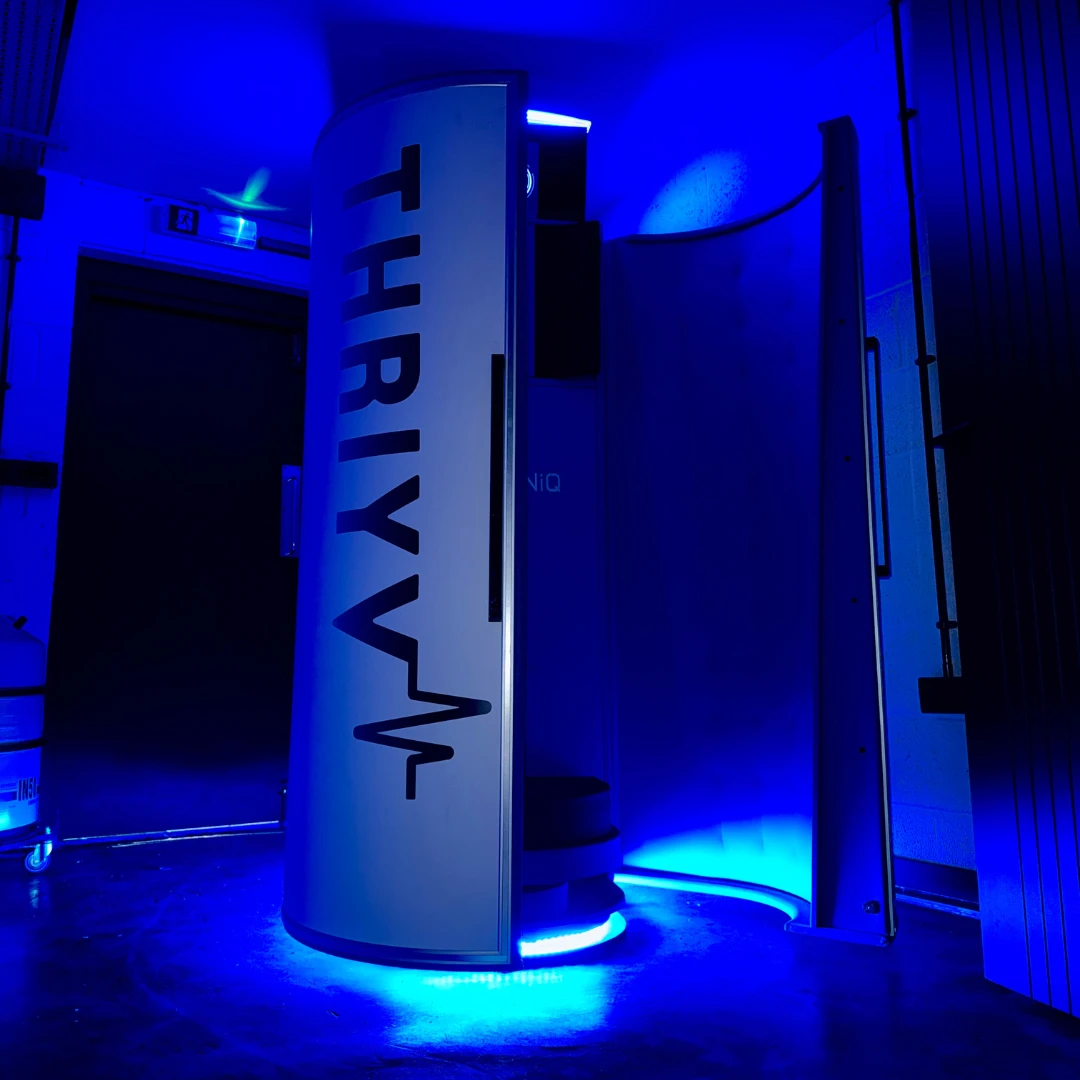
Whole-body cryotherapy (WBC) involves exposing your body to extremely cold temperatures for short periods. You step into a special chamber where temperatures drop as low as −160°C. Sessions last just two to three minutes. The extreme cold triggers powerful changes in your body that can help improve your mood and mental wellbeing.
This is not just theory. Clinical trials have measured the results. One study found that 34.6% of people using cryotherapy alongside their medication saw their depression symptoms cut in half, compared to just 2.9% in the control group. For anxiety, the results were even more striking: 46.2% of the cryotherapy group saw major improvements, whilst not a single person in the control group achieved the same level of relief.
When you expose your body to extreme cold, several important biological processes begin. These changes affect your brain chemistry in ways that can lift your mood and reduce anxiety.
Cold exposure activates your body’s defence systems. One response is a surge of endorphins. These are chemicals your brain produces naturally. They work like the neurotransmitter dopamine. Endorphins create feelings of happiness and wellbeing. They reduce both physical and emotional stress. They also help block pain signals. This is why many people report feeling euphoric after a cryotherapy session.
The extreme cold switches on your sympathetic nervous system. This is the part of your nervous system that prepares you for action. When activated, it releases more norepinephrine (also called noradrenaline). This chemical is crucial for mood regulation. It supports mental clarity and alertness. It also boosts energy levels. People with depression often lack energy. The increase in norepinephrine can help counter this.
Scientists have found links between chronic inflammation and mood disorders. When your body stays inflamed for long periods, it affects how your brain works. Cryotherapy reduces inflammatory markers in your blood. It also increases anti-inflammatory substances. This creates an environment that supports better brain function and emotional stability.
Cortisol is your body’s main stress hormone. When you are under constant stress, cortisol levels can become dysregulated. The short, controlled stress of cold exposure acts as what scientists call a “hormetic stressor”. This means your body adapts to handle stress more effectively. Over time, this helps regulate cortisol production. Better cortisol regulation means better stress management.
Serotonin is perhaps the most famous neurotransmitter linked to mood. Low serotonin levels are common in people with depression. Many antidepressant medications work by increasing serotonin availability. Cryotherapy has been shown to elevate serotonin levels naturally. This helps regulate mood, improve sleep, and reduce anxiety.
The extreme cold causes changes in how your central nervous system works. It affects the systems that use noradrenaline and serotonin. It also influences your hypothalamic-pituitary axis. This is the communication network between your brain and hormone-producing glands. Perhaps most importantly, cryotherapy helps normalise levels of brain-derived neurotrophic factor (BDNF). This protein promotes the survival and growth of nerve cells. Higher BDNF levels support better brain function and resilience.
The clinical evidence comes from specific treatment protocols. Understanding these helps set realistic expectations.
Research-backed protocols typically involve 10 to 15 daily sessions. Each session lasts two to three minutes. Chamber temperatures range from −110°C to −160°C. The key point is consistency. The benefits build over time with regular exposure.
One fascinating finding from the research is how quickly improvements can appear. In the clinical trial, people using cryotherapy showed significant decreases in symptoms during each week of treatment. The control group only showed improvements after the full three weeks. This suggests cryotherapy may help speed up the response to treatment.
It is crucial to understand that cryotherapy is not a replacement for standard treatment. All the successful studies used it alongside medication and therapy. It works best when integrated into a comprehensive treatment plan. If you are taking medication for depression or anxiety, you should continue doing so.
You enter the cryotherapy chamber wearing minimal clothing (usually underwear). You wear gloves, socks, and slippers to protect your extremities. The cold is intense but bearable. Most people describe it as uncomfortable rather than painful. The session is over quickly. Afterwards, many people report feeling energised and alert.
Whilst the research is promising, cryotherapy is not appropriate for everyone. It has not been approved by the FDA for treating mental health conditions. The studies so far have involved relatively small numbers of people. Long-term effects are still being studied. Anyone considering cryotherapy should discuss it with their doctor first, especially if they have cardiovascular conditions or cold sensitivity.
At Thriyv, we understand that mental wellbeing is not separate from physical health; they work together. Our clinic in Manchester offers whole-body cryotherapy as part of a holistic approach to health and performance.
Our cryotherapy chamber uses medical-grade equipment that maintains precise temperature control. Safety is our priority. Every session is supervised by trained professionals who monitor your experience. We take time to explain the process and answer your questions before you begin.
We stay current with the latest research. Our programmes are based on the clinical studies showing real results. We know that cryotherapy works best as part of a broader wellness strategy. That is why we offer complementary services that support mental and physical health together.
Our team includes professionals with backgrounds in medicine and sports science. We understand the biological mechanisms behind cryotherapy. More importantly, we know how to translate that science into safe, effective treatment.
Cryotherapy represents an exciting development in mood enhancement. The clinical evidence shows real, measurable improvements when used alongside standard treatment. The biological mechanisms make sense. Endorphin release, norepinephrine modulation, inflammation reduction, and serotonin elevation all contribute to better mood and reduced anxiety.
The results speak clearly. In controlled trials, nearly half of participants saw significant anxiety reduction. Over a third experienced major improvements in depression symptoms. These outcomes far exceeded those achieved with medication alone.
However, honesty is important. The research is still developing. Studies have been relatively small. Long-term effects need more investigation. Cryotherapy is not a magic cure; it works best as part of comprehensive treatment, not as a replacement for it.
For people in Manchester seeking evidence-based approaches to mood improvement, cryotherapy offers a compelling option. The sessions are quick. The process is straightforward. The potential benefits are substantial. When combined with proper medical care, cryotherapy may provide the additional support needed to achieve meaningful improvement in mental wellbeing.
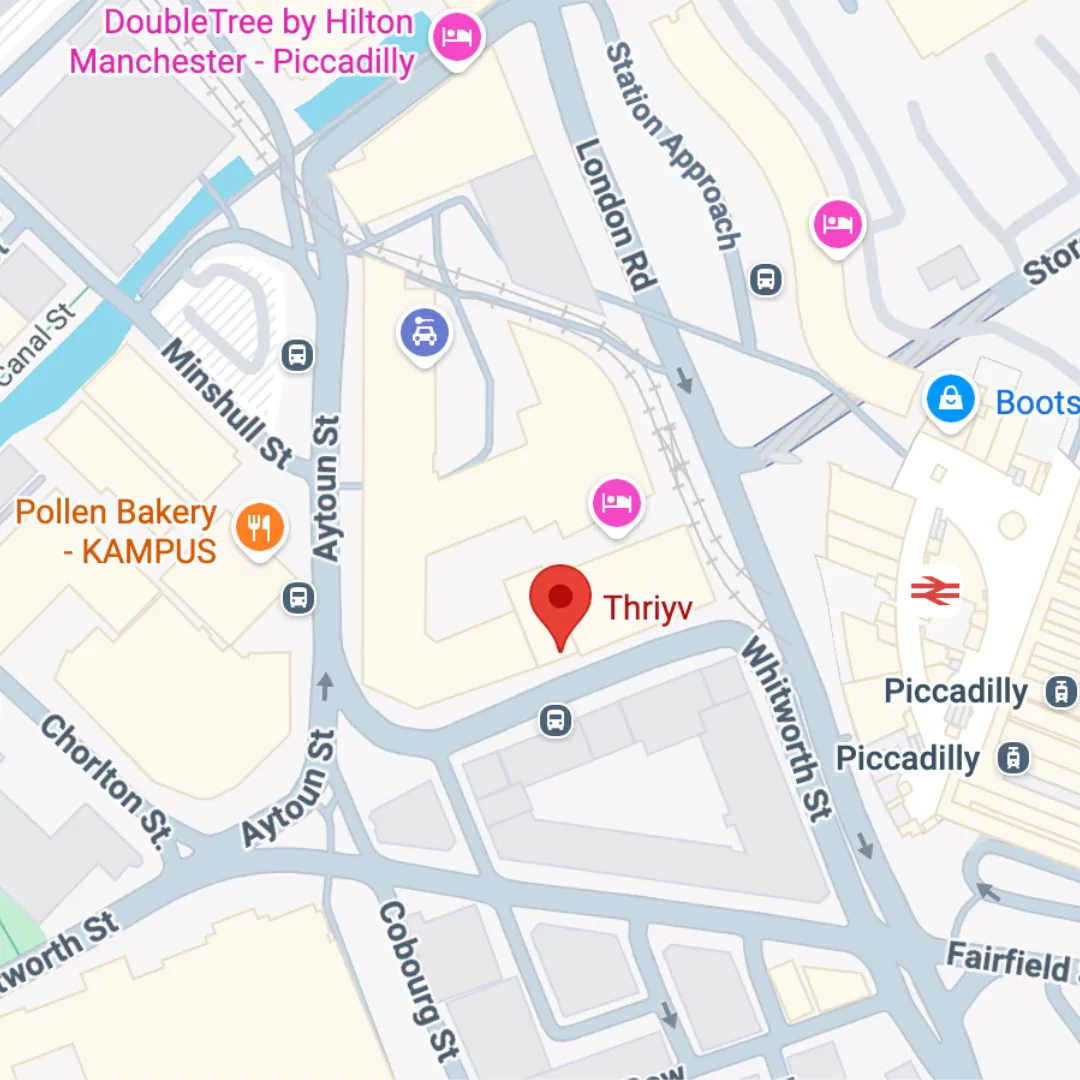
Thriyv Wellness & Aesthetics is located in the heart of Manchester City Centre, right between Manchester Piccadilly Train Station and Kampus.
We’re just a few moments walk from major rail, tram and bus hubs, with a multi-story carpark next door. This means its never been easier to start your journey at Thriyv, whether you’re based in Manchester City Centre or travelling from further afield.
Our full address is Thriyv, 14-16 Whitworth Street, Manchester, M1 3BS. See you soon!
Ready to take control of your aesthetic and wellness journey?
Thriyv, and our medical professionals, are ready and waiting to support you in reaching your goals.
To begin, book your next service/treatment below!
We get it. Sometimes you want to learn a bit more about a service without the hassle of an in-clinic consultation.
If you’d like to learn more about how Thriyv’s unified and complimentary services can help you achieve your goals, drop us a line via the form below. One of the Thriyv team will be back in touch with you as soon as possible!
Please note: Unfortunately from time-to-time, our correspondence can land in your spam inbox. To make sure we can answer your query, please consider saving info@thriyv.co.uk in your contacts, or remember to check your spam regularly!