Why Lymphatic Drainage Matters for Wellness, Recovery & Aesthetics
This blog was transferred from a previous iteration of the Thriyv website, and as such has lost its formatting. The content remains the same.
Your lymphatic system works like your body’s drainage network. This intricate system of vessels and nodes moves fluid, filters toxins, and supports immune function throughout your body. When lymphatic drainage becomes sluggish, you notice the effects quickly—swollen ankles after long flights, puffy faces in the morning, or that heavy feeling in your legs after exercise.
Efficient lymphatic drainage is essential for three key areas of health and wellbeing:
Therapeutic Options for Lymphatic Support
Several evidence-based approaches can help optimise your lymphatic function:
Thriyv’s Next-Generation Approach
At Thriyv, we’ve developed a comprehensive solution that combines the best elements of traditional lymphatic drainage massage therapy with advanced technology. Our full-body Infrared LED pressotherapy suit represents a clinic-grade approach that integrates:
Full-Body, Repeatable, Protocol-Driven Treatments: Standardised sessions that ensure consistent results every time
This article will provide an evidence-based comparison of the physiologic mechanisms and benefits of Thriyv’s innovative suit versus traditional manual massage approaches. Drawing from peer-reviewed literature and clinical experience, we’ll explore how these different methods work, their specific advantages, and which approach might be most suitable for your individual needs.
Understanding the Lymphatic System: The Body’s “Silent” Circulatory Network
Think of your lymphatic system as your body’s quiet maintenance crew, working 24/7 behind the scenes. Unlike your heart-pumping blood circulation, this network operates silently—yet it’s absolutely vital for keeping you healthy and feeling your best.
Core Functions of the Lymphatic System
Your lymphatic system is like a sophisticated drainage network throughout your body. It consists of tiny vessels called lymphatic capillaries that connect to larger collectors, then to major trunks, all dotted with filtering stations called lymph nodes. These vessels have built-in pumps (called lymphangions) and one-way valves that keep fluid moving in the right direction.
The lymphatic vasculature is a unidirectional vascular network that performs three critical jobs for your wellbeing:
This is where lymphatic drainage massage therapy becomes particularly valuable—by supporting these natural processes, it helps your body function more efficiently.
What Happens When Lymphatic Flow is Impaired?
When your lymphatic system isn’t working properly, you’ll notice the difference. The most obvious sign is lymphedema—a condition where protein-rich fluid accumulation leads to swelling, heaviness, tissue fibrosis, and skin changes. But even before reaching this clinical level, impaired lymphatic flow affects how you feel and look.
The Visible and Physical Effects:
For Wellness-Focused Individuals: Even if you don’t have a diagnosed lymphatic condition, sluggish lymphatic flow can still impact your daily life. Poor microcirculation and reduced lymph movement contribute to:
Understanding how your lymphatic system works—and recognising when it needs support—is the first step towards feeling lighter, more energised, and genuinely healthier.
How Manual Lymphatic Drainage Works
Manual lymphatic drainage uses very gentle techniques to help your body’s natural drainage system work better. Think of your lymphatic system as a network of tiny rivers carrying waste away from your tissues. When these pathways get sluggish, you might feel puffy or swollen.
Therapists trained in lymphatic drainage massage therapy use light, rhythmic strokes that stretch the skin rather than pressing deeply into muscles. These movements follow specific pathways that lead toward your lymph nodes – the filtering stations where your body processes waste. The key is using just enough pressure to stimulate the superficial lymphatic vessels without collapsing them.
Research using advanced imaging technology shows this technique actually works. Scientists used near-infrared fluorescence lymphatic imaging to watch what happens during MLD in real time. MLD increased lymphatic contraction frequency and enhanced dye clearance, proving the technique genuinely improves how lymph fluid moves through your body.
Clinical Benefits Shown for MLD
Lymphoedema Volume Reduction
MLD forms a key part of Complete Decongestive Therapy (CDT), the gold standard treatment for lymphoedema. This condition causes persistent swelling, often in arms or legs, when lymphatic drainage becomes impaired. CDT combines MLD with compression bandaging and specific exercises.
A systematic review found evidence supports CDT for volume reduction, though study quality is moderate. The challenge is working out exactly how much benefit comes from MLD alone, since it’s always used alongside other treatments.
Pain and Quality-of-Life Benefits Beyond Lymphoedema
MLD helps with more than just swelling. A well-designed study looked at people with fibromyalgia – a condition causing widespread pain and fatigue. Participants received either genuine MLD or sham treatment (going through the motions without proper technique) for three weeks.
The results were clear: MLD group improved on VAS pain, FIQR, SF-12 vs sham. Those receiving proper MLD reported less pain, better daily functioning, and improved quality of life compared to the sham group.
Limitations of MLD in Modern Wellness & Aesthetics Settings
Operator Dependency & Variability
Your results depend heavily on your therapist’s skill and training. MLD requires specific techniques learned through certified programmes, and outcomes vary significantly between practitioners. Even the same therapist might deliver different results from session to session.
Localised Focus
A therapist can only work on the areas they can physically reach during a 45-60 minute session. This limits how comprehensively they can address full-body lymphatic drainage, particularly for clients wanting overall wellness benefits rather than treatment for specific medical conditions.
Time, Cost, and Access Barriers
MLD requires one-to-one care from a trained professional. This makes it time-intensive and expensive, especially if you need frequent sessions. Finding qualified practitioners can also be challenging, particularly outside major cities.
Evidence Gaps
Whilst research supports MLD for medical conditions like lymphoedema, we have limited robust studies comparing it directly with modern alternatives. Device-based compression systems and light-based therapies are increasingly popular in wellness settings, but few high-quality trials compare their effectiveness to traditional manual techniques, particularly for aesthetic and general wellness goals.
Beyond Hands: The Science of Compression-Based Lymphatic Therapies
Intermittent Pneumatic Compression (IPC): The “Mechanical MLD” Concept
Think of IPC as having a gentle, rhythmic squeeze applied to your arms or legs—but with scientific precision. This technology uses special sleeves or suits fitted with separate chambers that inflate and deflate in a carefully timed sequence. The pressure starts at your hands or feet and works upward, creating what doctors call a “milking action” that helps push fluid back toward your heart.
Here’s how it works: the external pressure raises the pressure in your tissues, encouraging fluid to move from swollen areas back into your lymphatic system. External compression increases interstitial pressure, promoting reabsorption and driving lymph toward patent collectors and nodes. Put simply, it mechanically mimics what skilled hands do during lymphatic drainage massage therapy, but with consistent pressure and timing.
Clinical Evidence for Compression in Lymphedema & Edema
Working Alongside Complete Decongestive Therapy
Researchers have studied how IPC performs when added to standard lymphedema treatment. A comprehensive analysis of 12 studies revealed promising results: adding IPC to CDT produced additional short-term volume reduction within approximately 4 weeks versus CDT alone. However, the benefits diminished after therapy stopped, suggesting these treatments work best as part of ongoing maintenance rather than one-off solutions.
IPC vs Manual Lymphatic Drainage
A direct comparison study looked at traditional manual drainage plus bandaging against IPC combined with self-massage in women with breast-cancer-related lymphedema. Both approaches reduced arm volume significantly—around 15% versus 12% respectively. The key finding? No significant difference in volume reduction between therapist-based CDT and IPC protocol. Both groups also reported improved symptoms and better daily function.
Another study compared immediate and 48-hour results between manual drainage and machine-based compression. The outcome was clear: IPCT and MLD had similar short-term decongestive effects. Interestingly, factors like BMI and lymphedema severity didn’t change how well people responded to either treatment.
The Future: Wearable Compression Technology
New developments in compression therapy focus on devices you can use at home. Novel, adjustable compression garments and devices are being developed for home use to maintain lymphatic function and reduce flare-ups. This could make consistent treatment more accessible for people managing chronic swelling.
Recovery & Performance: Compression Beyond Lymphedema
The Sports Science Connection
Compression therapy isn’t just for medical conditions. Sports scientists have studied how compression garments affect recovery after exercise. A large review found that compression garments can aid recovery, possibly via improved circulation. The benefits include reduced muscle soreness and faster strength recovery, likely due to enhanced blood and lymphatic return plus reduced muscle vibration during movement.
Benefits for Wellness Clients
For people seeking wellness and aesthetic improvements, compression-based therapies can offer:
Whilst compression therapy shows clear benefits, it works best as part of a comprehensive approach rather than a standalone solution. The evidence suggests these treatments are most effective when used consistently over time, making them valuable tools for ongoing wellness maintenance.
Infrared & LED Photobiomodulation: Light as a Lymphatic and Tissue‑Healing Tool
Light therapy isn’t just about glowing skin—it’s a powerful tool that can help your lymphatic system work better and speed up tissue repair. Think of it as giving your cells the energy they need to function properly.
Far-Infrared Radiation (FIR) in Lymphedema: Deep Heat, Microcirculation & Tissue Remodeling
Far-infrared radiation uses wavelengths between 3–1000 micrometers. You’ll often find this delivered through FIR saunas or special ceramic materials that emit infrared heat.
The clinical evidence for lymphedema is impressive. A study looking at people with stage II–III limb lymphedema found that FIR therapy significantly reduced limb circumference and documented decreases in fluid, fat, protein and hyaluronan deposition—these are the key problem components of chronic lymphedema. Even better, researchers found that FIR was safe, improved quality of life, and reduced fibrosis. It worked well on its own or alongside other lymphedema treatments.
How does it work? The gentle heat causes your blood vessels to widen, improving circulation and helping your lymphatic system pump more effectively. It may also help remodel tough, fibrous tissue by reducing the build-up of proteins and other substances that cause swelling.
Photobiomodulation uses red and near-infrared light (around 600–1000 nanometers) without creating heat. Instead, it works at the cellular level. The primary target is something called cytochrome c oxidase in your mitochondria—think of these as the power stations of your cells. Red and near-infrared light helps increase ATP production and reduce harmful molecules called reactive oxygen species, essentially giving your cells more energy to repair themselves.
For skin and aesthetic benefits, controlled clinical studies show that LED light therapy using wavelengths between 590–850 nanometers can significantly improve wrinkles, skin texture, and collagen density with excellent safety. It also has anti-inflammatory effects that reduce inflammatory markers in conditions like acne.
When it comes to muscle recovery and pain relief, the results are striking. A study of 830-nanometer LED therapy in injured athletes (395 injuries total) found that return-to-play time was cut by about 50%—from 19.2 days down to just 9.6 days compared to historical norms. The light reduces pain and inflammation whilst promoting tissue repair.
How Deep Does Light Penetrate? Relevance for Lymphatic Targets
This is where the science gets interesting. Computer models and experimental data show that different wavelengths penetrate to different depths. Red light (around 630–660 nanometers) reaches the dermis, whilst near-infrared wavelengths (800–900 nanometers) achieve greater tissue penetration into deeper tissues and muscle.
What does this mean for lymphatic therapy? The superficial lymphatic network in your skin can be targeted by red light. The deeper lymphatic vessels and pumping stations can be influenced by near-infrared wavelengths.
When combined with compression therapy or lymphatic drainage massage therapy, the enhanced circulation and cellular energy from light therapy, plus the mechanical movement from compression, may work together to support lymphatic function, improve tissue oxygen levels, and help remodel damaged tissue.
Yes, light therapy takes time to show results… BUT the cellular changes happen from the first session, building towards visible improvements over weeks rather than months.
Multi-Modal Action: Compression + Infrared/LED in One System
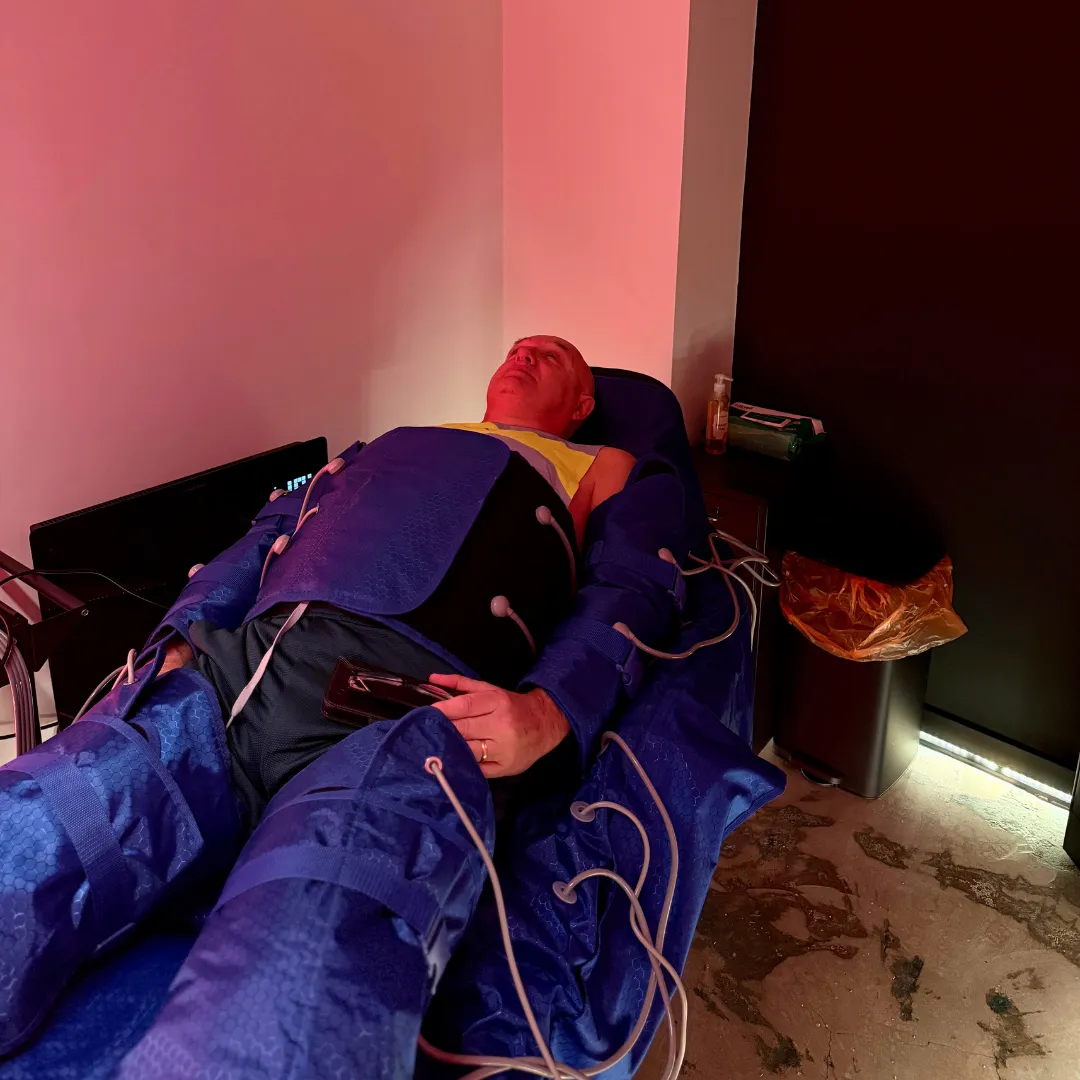
The full-body presso-therapy suit combines two proven therapeutic approaches into a single treatment system. At its core, the design uses multi-chamber intermittent pneumatic compression that follows a distal-to-proximal sequencing pattern—essentially mimicking how your body naturally drains lymph fluid from your extremities towards your central circulation.
Integrated infrared and near-infrared LED arrays are positioned along key lymphatic and muscular pathways throughout the suit. These work alongside programmable pressure cycles that can be adjusted for repeatable, consistent treatment dosing.
The mechanistic synergy draws on established science from both compression therapy and photobiomodulation research. The compression component builds on evidence showing that intermittent pneumatic compression plus complete decongestive therapy improves short-term decongestion in lymphatic conditions. Meanwhile, the infrared and near-infrared LED component leverages photobiomodulation mechanisms that support cellular energy production and reduce inflammation.
The thermal effects from far-infrared-like wavelengths may help soften fibrotic tissue and reduce the accumulation of fluid, fat, hyaluronan, and protein that builds up in chronic swelling conditions. Research has shown that far-infrared therapy reduced core pathologic constituents of lymphedema, suggesting potential benefits for tissue quality alongside fluid drainage.
Full-Body Coverage vs Localised Manual Massage
Traditional manual lymphatic drainage massage therapy typically focuses on one or two regions per session—perhaps your legs one day, or your arms and face separately. This approach works well but has natural limitations.
The full-body suit offers simultaneous or rapidly sequential treatment across multiple areas: legs, abdomen, flanks, and often arms all within the same session. This creates potential to harmonise global lymphatic circulation rather than just addressing a single limb or region.
There’s solid physiological reasoning behind this approach. Lymph fluid from your limbs must ultimately drain through central trunks and lymph nodes in your torso. Central lymphatic drainage pathways are critical to overall lymph flow, which suggests that addressing central pathways—like your abdomen and thoracic region—alongside peripheral areas may support better overall outcomes.
Many routine massage sessions focus primarily on limbs, potentially under-treating these crucial central drainage routes that the full-body system can address more comprehensively.
Consistency, Dosing & Personalisation
One significant advantage of the presso-therapy system lies in its reproducible parameters. Exact pressure ranges, inflation cycles, and session durations can be standardised and logged, creating consistent treatment protocols.
This aligns well with research findings that show benefits of intermittent pneumatic compression declined when therapy ceased, supporting the need for maintenance protocols. The ability to deliver identical treatments repeatedly becomes crucial for maintaining therapeutic benefits over time.
The programmable nature allows for tailored protocols addressing different concerns:
This technological approach also reduces the operator variability that’s inherent in manual massage techniques, where pressure, rhythm, and technique can vary between practitioners or even between sessions with the same therapist.
Comfort, Relaxation & Autonomic Balance
Both compression therapy and photobiomodulation can promote relaxation responses in the body. The gentle, rhythmic pressure combined with warming effects may support parasympathetic nervous system activation—your body’s “rest and digest” mode.
This connection between relaxation and therapeutic benefit isn’t just theoretical. Studies of manual lymphatic drainage massage therapy have shown that treatment in fibromyalgia patients improved pain and quality of life, likely involving central nervous system and autonomic modulation.
The full-body treatment experience—lying comfortably whilst receiving consistent, gentle pressure and warming—creates an environment that supports both physical drainage and mental relaxation. This dual benefit may improve treatment adherence, as clients often find the sessions genuinely restorative rather than just therapeutic.
Comparing Thriyv’s Infrared LED Presso-Therapy Suit with Manual Lymphatic Drainage Massage
Mechanistic Comparison: How Each Modality Moves Lymph
Understanding how different approaches work helps you make informed choices about lymphatic drainage massage therapy.
Manual MLD: Manual lymphatic drainage uses gentle, directional skin-stretching techniques. These movements stimulate superficial lymphatics and encourage intrinsic lymphangion contractions. Research using near-infrared imaging demonstrates increased lymphatic contractility following MLD sessions, showing measurable improvements in lymphatic function.
Presso-therapy suit: Thriyv’s system works through two mechanisms. External graded compression elevates interstitial pressure, which enhances both venous and lymphatic return. Studies show intermittent pneumatic compression improves oedema through mechanical pumping action.
The infrared and near-infrared LED component improves microcirculation and tissue oxygenation. It also supports mitochondrial bioenergetics, potentially enhancing lymphatic muscle function and tissue repair. Research confirms photobiomodulation supports mitochondrial ATP production and modulates inflammation.
Combined approach: Thriyv’s suit aims to mechanically mobilise fluid whilst biologically conditioning tissues for better long-term function. This dual approach addresses both immediate lymphatic drainage needs and underlying tissue health.
Effectiveness: What the Evidence Suggests (and Doesn’t)
Head-to-head data: Currently, no published randomised controlled trials directly compare a specific full-body infrared LED presso-therapy suit to MLD in healthy or aesthetic populations. However, we can draw insights from related research.
Existing studies show MLD enhances lymphatic pumping function. Comparison data between intermittent pneumatic compression and MLD reveals broadly similar short-term volume reduction effects.
Far-infrared and photobiomodulation trials in lymphoedema, skin ageing, and tissue healing provide additional evidence. Far-infrared therapy decreased lymphoedema volume and pathological tissue components, whilst LED photobiomodulation improved wrinkles and skin texture.
Logical synthesis: Based on equivalence data showing no significant efficacy difference between MLD and intermittent pneumatic compression therapy, the compression component can reasonably be expected to achieve lymph-mobilising effects comparable to MLD in many clients.
The added infrared and LED photobiomodulation provides benefits beyond standard compression or massage alone. These include improved microcirculation, anti-inflammatory effects, mitochondrial support, and tissue rejuvenation, supported by independent research literature.
Safety Profiles and Contraindications
Manual MLD: Generally safe when performed by trained therapists. Caution or avoidance is recommended in acute infection, decompensated heart failure, or uncontrolled malignancy in the drainage area.
Compression devices: Studies of intermittent pneumatic compression in lymphoedema show good safety when used within prescribed pressure ranges and with appropriate screening.
Far-infrared and LED photobiomodulation: Multiple reviews report excellent safety with few adverse events in dermatologic, pain, and wound-healing applications. LED photobiomodulation has a strong safety profile, and far-infrared therapy showed no significant adverse events.
Thriyv’s clinical approach: Pre-treatment screening includes assessment for acute deep vein thrombosis or significant vascular disease, unstable cardiac conditions, and active malignancy in the treatment region. Oncology guidelines advise caution around uncontrolled cancer and lymphatic stimulation. Pressure and protocol selection are adjusted based on medical history and comfort levels.
Practical Considerations: Experience, Efficiency, and Use Cases
Time and access: MLD sessions are therapist-dependent and often scheduled weekly or sporadically due to cost and time constraints. The suit allows frequent, standardised sessions and may be more scalable for regular wellness programmes.
Coverage and integration: MLD excels for targeted, complex cases, post-surgical lymphatic mapping, and facial work. The suit proves ideal for full-body decongestion, recovery support, heavy-leg syndrome, and aesthetic body-contouring programmes.
Patient preference: Some clients prefer human touch and manual guidance from experienced therapists. Others prefer private, technology-forward, reproducible sessions with clear protocol timings and minimal undressing requirements beyond suit fitting.
Key Evidence-Backed Benefits of Thriyv’s Infrared LED Presso-Therapy Suit
Enhanced Lymphatic Drainage & Reduced Swelling
The Thriyv suit combines two powerful mechanisms that work together to tackle fluid retention and swelling. The graded compression works like intermittent pneumatic compression (IPC), pushing fluid upward and supporting your body’s natural drainage systems. Research shows that IPC reduces limb volume when added to complete decongestive therapy, proving this approach works.
Meanwhile, the infrared light improves blood flow in tiny vessels and helps tissues work more efficiently. Studies demonstrate that far infrared therapy improved microcirculation and reduced fluid buildup, which means less puffiness and congestion.
For Thriyv clients, this translates to lighter, less swollen legs and feet after long days standing or flying. Regular sessions help reduce that heavy, puffy feeling many people experience.
Support for Tissue Health, Recovery & Performance
The LED light therapy (photobiomodulation) plays a crucial role in helping your body repair itself. It boosts cellular energy production whilst reducing harmful stress on tissues, which speeds up soft-tissue healing and muscle recovery. Research confirms that photobiomodulation accelerates tissue repair and reduces oxidative stress.
The results can be dramatic. In one athlete study, 830 nm LED treatment halved the average return-to-play time for sports injuries. That’s powerful evidence for faster recovery.
The compression element adds another layer of benefit. It helps clear waste products from muscles and reduces delayed onset muscle soreness (DOMS). Studies show compression garments improve recovery metrics in athletes after exercise.
Combining both therapies in Thriyv’s suit makes logical sense for post-workout sessions to speed recovery, or for active people who need quick turnaround between training sessions.
Aesthetic & Skin-Quality Benefits
Better lymphatic clearance means less fluid-related bloating and leg fullness, creating a more contoured appearance. This complements body-contouring and cellulite programmes perfectly.
The LED light therapy offers proven skin benefits too. Clinical research shows red and near-infrared LED can stimulate collagen production and improve wrinkles and skin texture. Think of it as charging up your skin cells from the inside.
Far infrared therapy adds another dimension. Its ability to reduce certain proteins and substances in tissues suggests it may help soften chronic congestion and improve tissue quality. Research found that far infrared reduced hyaluronan and protein deposits in lymphoedematous limbs.
This type of lymphatic drainage massage therapy approach offers a comprehensive solution for both health and aesthetic goals.
Relaxation, Stress Modulation & Wellness
Lymphatic therapies do more than just move fluid around. Manual lymphatic drainage has been linked to improvements in pain and quality of life in fibromyalgia patients, likely through effects on the central nervous system and parasympathetic response.
The combination of warmth, rhythmic compression, and gentle light in the Thriyv suit creates a similarly calming environment. This relaxation response positively influences pain perception, sleep quality, and overall recovery.
Consistency, Data & Programme Integration at Thriyv
Standardised protocols enable progressive improvement over time. Sessions can become longer or more intensive as your body adapts. The suit integrates beautifully with other Thriyv services like cryotherapy, IV therapy, and aesthetic treatments, with timing based on sports and photobiomodulation research. Studies show that timing matters for biological response, making proper protocols essential.
We can track your progress objectively using circumference measurements, bioimpedance analysis, or photography over a series of sessions. This mirrors the rigorous measurement approach used in clinical lymphoedema trials, ensuring you see real, measurable results.
When Manual Lymphatic Drainage Still Shines – And How Thriyv Can Combine Both
Whilst technology like Thriyv’s pressotherapy suits offer excellent results, there are specific situations where traditional manual lymphatic drainage (MLD) remains the gold standard. Understanding when each approach works best helps create the most effective treatment plan for your needs.
Indications Where MLD May Be Preferred or Added
Certain conditions benefit particularly from the precision and adaptability that only human hands can provide. Complex post-surgical cases, especially those involving oncologic lymphatic mapping, require a therapist who can adjust pressure and technique in real time based on tissue response and your feedback. This level of responsiveness simply cannot be replicated by mechanical systems.
Highly localised swelling around the face, particularly around the eyes or head and neck region, responds exceptionally well to the fine manual techniques that experienced therapists use. The delicate nature of facial lymphatic pathways requires the gentle, precise touch that manual work provides.
For many clients, the therapeutic human touch element of MLD addresses psychological and emotional needs alongside the physical benefits. This human connection can be particularly valuable for those dealing with health challenges or seeking stress relief.
The most effective lymphatic drainage massage therapy often combines both approaches strategically. Research shows that lymphatic disorders require ongoing management rather than one-off treatments. Studies demonstrate that the effects of intermittent pneumatic compression combined with complete decongestive therapy decline after cessation, underscoring the need for maintenance.
Thriyv’s pressotherapy suits excel at regular, full-body decongestion and recovery sessions. They’re ideal for maintaining lymphatic health between occasional manual sessions, providing consistent, measurable pressure that supports your body’s natural drainage processes.
Manual lymphatic drainage remains invaluable for targeted work on complex or evolving presentations, and for detailed hands-on assessment where a therapist’s clinical judgement guides treatment decisions.
This scientific rationale supports combining mechanical and biological approaches, which aligns with the multimodal nature of modern lymphatic care. The literature consistently shows that combining complete decongestive therapy with intermittent pneumatic compression, alongside adjunctive treatments like far-infrared therapy, produces superior outcomes to single-modality approaches.
By understanding when each method works best, we can create personalised treatment plans that maximise your results whilst respecting your time and investment.
Who Is (and Isn’t) a Good Candidate for Thriyv’s Infrared LED Presso-Therapy Suit?
Not everyone benefits equally from lymphatic drainage massage therapy combined with infrared technology. Understanding who makes an ideal candidate helps ensure safe, effective treatment outcomes.
Ideal Candidates
The Infrared LED Presso-Therapy Suit works best for specific groups of people experiencing circulation and recovery challenges.
Individuals with physical symptoms benefit most:
In our clinical experience, clients with these concerns typically notice improved circulation and reduced heaviness within the first few sessions. The combination of pneumatic compression and infrared light creates measurable improvements in lymphatic flow and muscle recovery.
Relative Contraindications & When Medical Clearance is Needed
Certain medical conditions require careful consideration or medical clearance before treatment. Safety always comes first in our approach.
Potential red flags requiring medical review include:
Cancer survivors need particular attention. Careful consideration is needed in cancer survivors regarding lymphedema therapies, as lymphatic stimulation may require oncologist guidance depending on treatment history and current status.
Thriyv’s safety-first approach includes:
Comprehensive pre-session screening for all clients
Referral for medical review when clinical indicators suggest potential risks
Protocol modification including lower pressures and shorter sessions for at-risk individuals
This careful approach aligns with established safety considerations from clinical trials. Research demonstrates that IPC and FIR are safe when appropriately applied under proper clinical supervision, with additional studies confirming safety protocols in controlled environments.
Drawing on my medical training, I ensure thorough screening identifies any contraindications before treatment begins. Yes, this means some people aren’t suitable candidates… but this medical oversight keeps everyone safe whilst maximising results for appropriate clients.
Before Your Session
Your journey begins with a thorough consultation to ensure lymphatic drainage massage therapy is right for you. We’ll ask about your medical history through a brief screening questionnaire, covering any current health conditions, medications, or recent surgeries that might affect treatment.
Next, we’ll discuss your specific goals. Whether you’re seeking post-exercise recovery, relief from swelling, aesthetic improvements, or simply deep relaxation, understanding your objectives helps us tailor the session perfectly. This conversation ensures you get the most from your time with us.
Finally, we’ll fit you with the specialised presso-therapy suit and explain what you’ll experience. The pressure levels are adjustable, and we’ll describe the gentle, rhythmic sensations you’ll feel. Think of it as a full-body hug that moves in waves up your limbs and torso.
During the Session
Once settled in the presso-therapy suit, you’ll experience a unique combination of therapeutic sensations. The rhythmic, wave-like compression moves systematically up your limbs and torso, mimicking the natural flow of your lymphatic system. This isn’t uncomfortable—most clients describe it as deeply soothing, like gentle waves washing over them.
Simultaneously, infrared and LED arrays provide gentle warmth that penetrates your skin. This combination works together: the compression moves fluid whilst the light therapy supports cellular repair processes. The treatment room maintains low lighting and a calm environment, naturally encouraging your nervous system to shift into a relaxed, healing state.
Sessions typically last 30 to 60 minutes, depending on your specific needs and treatment goals. During this time, you can simply lie back and let the technology work—no effort required from you.
After the Session
Most clients notice immediate effects after their first session. You’ll likely feel lighter, looser, and less puffy—particularly noticeable if you came in feeling bloated or retaining fluid. Don’t be surprised if you need to use the bathroom more frequently in the hours following treatment, as mobilised fluid is processed and eliminated naturally.
For best results post-session, focus on proper hydration—drink plenty of water to help your body process the mobilised fluids. Gentle movement like walking aids this process, whilst avoiding large, salty meals immediately after treatment helps maintain the benefits.
When it comes to a course of treatments, realistic expectations matter. Repeated exposure is important for maintaining therapeutic effects according to research in lymphatic therapy and photobiomodulation studies. Whilst you’ll feel benefits after one session, consistent treatments over several weeks produce more durable changes to fluid retention, circulation, and overall wellbeing. Most clients see progressive improvements over 4-6 sessions, with optimal results developing over 2-3 months of regular treatment.
Evidence-Based Summary: Why Thriyv’s Suit Can Be Superior to Manual Massage for Many Clients
Key Scientific Pillars Supporting Thriyv’s Approach
Our advanced suit technology draws on three proven therapeutic methods, each backed by solid research. Think of it as combining the best of several treatments into one session.
Compression Technology The compression element works similarly to medical-grade pneumatic devices. Research shows that intermittent pneumatic compression (IPC) performs at least as well as manual lymphatic drainage for reducing swelling in many lymphedema cases. This means our suit can deliver comparable benefits to traditional lymphatic drainage massage therapy, but with consistent pressure every time.
Far-Infrared Heat The infrared component isn’t just about warmth—it works at a cellular level. Studies demonstrate that far-infrared radiation significantly reduces fluid, fat, protein, and hyaluronan in affected limbs, with excellent safety records. Put simply, it helps your body process the substances that cause puffiness and swelling.
LED Light Therapy The LED photobiomodulation element supports skin health and recovery. Research shows LED therapy improves skin ageing markers whilst 830nm LED wavelengths accelerate sports injury recovery. This means better-looking skin and faster healing, combined with the lymphatic benefits.
Practical Advantages Over Manual Massage in a Clinic Setting
Whilst manual massage has its place, our technology-based approach offers several key benefits:
Complete Coverage in One Session Unlike manual massage which focuses on specific areas, our suit treats your entire body simultaneously. This means comprehensive lymphatic support rather than localised treatment.
Consistent Results Every Time Human hands vary in pressure and technique—even with the best therapists. Our suit delivers identical treatment parameters each session, ensuring reproducible outcomes.
Perfect for Regular Maintenance Evidence suggests that lasting lymphatic benefits require consistent care. Our technology makes regular sessions practical and affordable, whereas frequent manual massage can become costly and time-consuming.
Seamless Integration The suit works brilliantly alongside our other services—cryotherapy, infrared sauna, and EMS treatments. This means we can create comprehensive wellness programmes tailored to your specific needs.
A Balanced View
True, manual lymphatic drainage remains valuable, especially for complex cases or when you prefer human touch. We’re also honest about the research—direct trials comparing specific suits to manual drainage in healthy clients are still limited. Our superiority claims rest on combining evidence from multiple, proven therapeutic methods.
My approach at Thriyv? Use the best of both worlds. Advanced technology grounded in robust clinical evidence, combined with expert assessment and hands-on care when appropriate. After treating many clients with lymphatic concerns, I’ve learnt that the right tool depends on your individual needs—and sometimes that’s our advanced suit technology.
FAQs: Evidence-Based Answers About Lymphatic Drainage and Thriyv’s Presso-Therapy Suit
How many sessions do I need before I notice benefits?
Some clients feel lighter and less bloated after just one lymphatic drainage session. However, for lasting improvements, repeated treatments work best.
Clinical research shows us why. Most studies on infrared therapy and photobiomodulation use multiple sessions per week for several weeks to achieve sustained effects. The same principle applies to lymphatic drainage massage therapy—your body needs time to establish better fluid clearance patterns.
In my experience treating clients with sluggish lymphatic flow, here’s what typically happens:
Session 1: Immediate feeling of lightness, reduced puffiness
Sessions 2-4: More consistent energy levels, less morning bloating
Sessions 6+: Noticeable improvement in how clothes fit, sustained results
Yes, it requires commitment… BUT this approach works with your body’s natural healing timeline rather than forcing quick fixes that don’t last.
Can this help if I don’t have diagnosed lymphoedema?
Absolutely. Whilst clinical trials focus on diagnosed conditions, the same physiological principles benefit everyone.
Think of it this way: your lymphatic system works like your body’s drainage network. Whether you have a medical condition or just feel puffy after a long week, the mechanics are the same—fluid clearance, improved microcirculation, and cellular support.
Our presso-therapy suit helps with:
Everyday swelling from sitting at desks
Post-exercise soreness and inflammation
Aesthetic concerns like facial puffiness
General feelings of being “stuck” or sluggish
After supporting many clients without diagnosed lymphoedema, I’ve seen how targeted lymphatic support makes a real difference to how people feel day-to-day.
Is the light safe—can it cause skin damage or cancer?
This is a brilliant question, and I completely understand the concern.
Photobiomodulation (the red light therapy in our suit) is completely different from UV light. Here’s the key difference:
UV light damages DNA and increases cancer risk
Red and near-infrared light actually supports cellular repair
Multiple clinical trials show favourable safety profiles with no increased cancer risk when photobiomodulation is used within therapeutic parameters. The light we use is non-ionising, meaning it can’t damage your DNA structure.
As a doctor, safety always comes first in my clinic. We:
Screen all clients before treatment
Use evidence-based dosing ranges
Monitor your skin’s response throughout
True, you need to be careful with any light therapy… BUT when delivered properly, photobiomodulation has an excellent safety record spanning decades of clinical use.
Can this replace exercise or a healthy lifestyle?
No—and I’d never suggest it could.
Movement, proper hydration, good nutrition, and quality sleep remain the foundation of health. Nothing replaces these basics.
What lymphatic drainage massage therapy does is enhance and support your existing healthy habits. Think of it as upgrading your body’s natural systems rather than replacing the work you’re already doing.
In my experience combining wellness therapies with lifestyle medicine, the best results happen when clients use treatments like our presso-therapy suit alongside:
Regular movement (even gentle walking)
Adequate water intake
Stress management
Quality sleep patterns
The suit works brilliantly as part of your wellness routine… BUT it’s designed to amplify your efforts, not substitute for them.
A Science-Guided Upgrade to Traditional Lymphatic Care
Your lymphatic system works tirelessly behind the scenes. It maintains fluid balance, supports immunity, keeps tissues healthy, and helps your skin look its best. When this network flows properly, you feel lighter, less bloated, and more energised.
Manual lymphatic drainage (MLD) remains an important, evidence-supported tool. Research consistently shows its benefits for reducing swelling and supporting recovery. However, traditional massage has practical limitations. Sessions require skilled therapists, take considerable time, and results can vary between practitioners.
Modern science offers promising alternatives. Intermittent compression therapy has independent research backing its role in reducing fluid retention and improving circulation. Far-infrared therapy studies demonstrate enhanced tissue repair and detoxification. LED photobiomodulation research shows measurable improvements in cellular function and skin health.
Thriyv’s full-body infrared LED presso-therapy suit strategically combines these evidence-based modalities into one standardised experience. This integration offers practical advantages over manual lymphatic drainage massage therapy alone for many clients. The technology delivers consistent pressure patterns whilst infrared and LED light work simultaneously on tissue repair and cellular function.
Yes, technology can’t replace the human touch entirely… BUT it provides reliable, repeatable results that complement manual techniques effectively.
In my clinical experience supporting clients with lymphatic concerns across Manchester, combining approaches often delivers the most comprehensive outcomes. Some clients benefit from purely manual techniques, others respond better to technology-assisted therapy, and many find the optimal results come from thoughtful combination.
The key lies in matching the right approach to your individual needs, health background, and wellness goals. A thorough consultation helps determine whether traditional massage, advanced technology, or a combined approach will serve you best.
For personalised guidance on the safest, most effective lymphatic therapy combination for your situation, consult with our Thriyv clinicians who can tailor recommendations based on your specific goals and medical history.
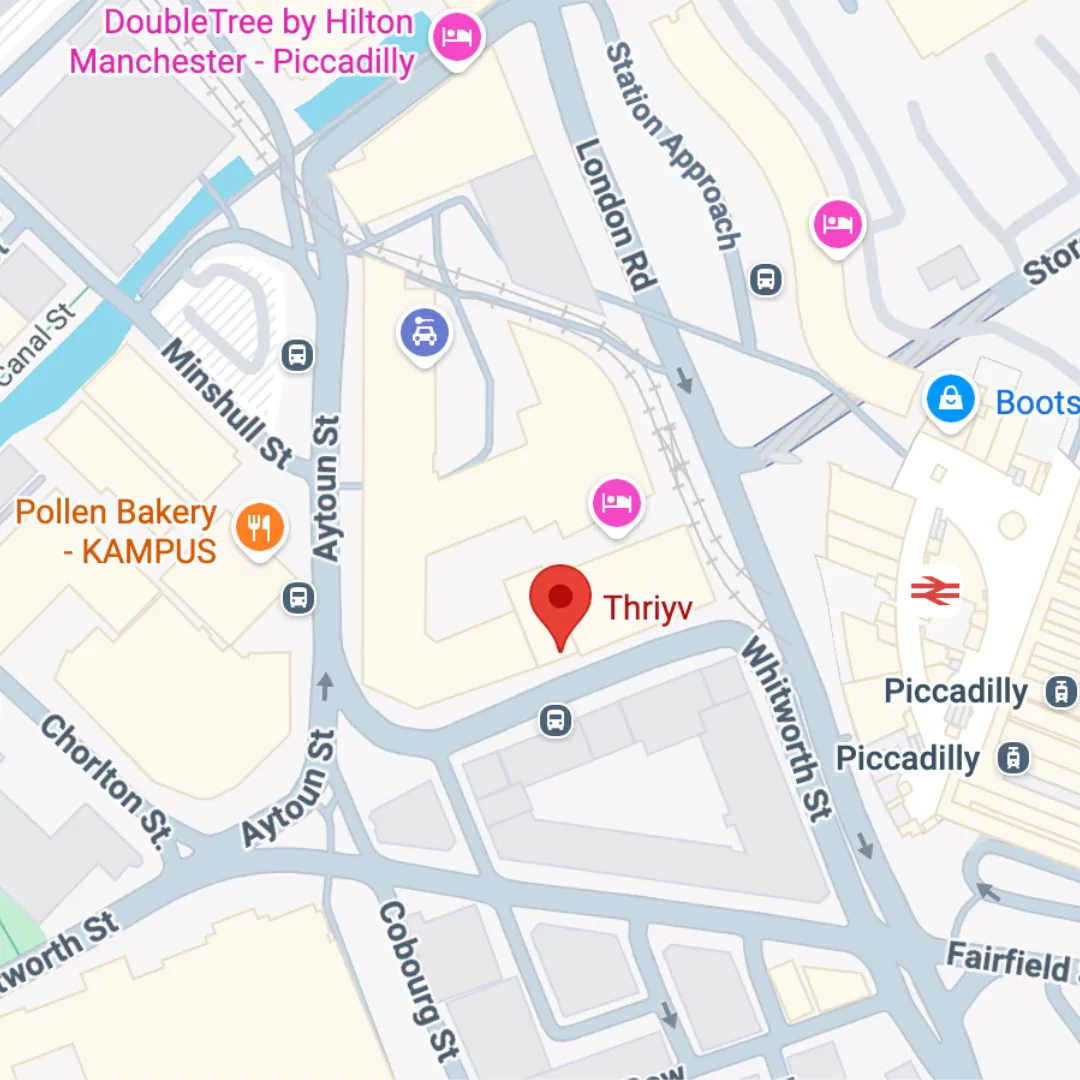
Thriyv Wellness & Aesthetics is located in the heart of Manchester City Centre, right between Manchester Piccadilly Train Station and Kampus.
We’re just a few moments walk from major rail, tram and bus hubs, with a multi-story carpark next door. This means its never been easier to start your journey at Thriyv, whether you’re based in Manchester City Centre or travelling from further afield.
Our full address is Thriyv, 14-16 Whitworth Street, Manchester, M1 3BS. See you soon!
Ready to take control of your aesthetic and wellness journey?
Thriyv, and our medical professionals, are ready and waiting to support you in reaching your goals.
To begin, book your next service/treatment below!
We get it. Sometimes you want to learn a bit more about a service without the hassle of an in-clinic consultation.
If you’d like to learn more about how Thriyv’s unified and complimentary services can help you achieve your goals, drop us a line via the form below. One of the Thriyv team will be back in touch with you as soon as possible!
Please note: Unfortunately from time-to-time, our correspondence can land in your spam inbox. To make sure we can answer your query, please consider saving info@thriyv.co.uk in your contacts, or remember to check your spam regularly!
Beyond Hands: The Science of Compression-Based Lymphatic Therapies
Intermittent Pneumatic Compression (IPC): The “Mechanical MLD” Concept
Think of IPC as having a gentle, rhythmic squeeze applied to your arms or legs—but with scientific precision. This technology uses special sleeves or suits fitted with separate chambers that inflate and deflate in a carefully timed sequence. The pressure starts at your hands or feet and works upward, creating what doctors call a “milking action” that helps push fluid back toward your heart.
Here’s how it works: the external pressure raises the pressure in your tissues, encouraging fluid to move from swollen areas back into your lymphatic system. External compression increases interstitial pressure, promoting reabsorption and driving lymph toward patent collectors and nodes. Put simply, it mechanically mimics what skilled hands do during lymphatic drainage massage therapy, but with consistent pressure and timing.
Clinical Evidence for Compression in Lymphedema & Edema
Working Alongside Complete Decongestive Therapy
Researchers have studied how IPC performs when added to standard lymphedema treatment. A comprehensive analysis of 12 studies revealed promising results: adding IPC to CDT produced additional short-term volume reduction within approximately 4 weeks versus CDT alone. However, the benefits diminished after therapy stopped, suggesting these treatments work best as part of ongoing maintenance rather than one-off solutions.
IPC vs Manual Lymphatic Drainage
A direct comparison study looked at traditional manual drainage plus bandaging against IPC combined with self-massage in women with breast-cancer-related lymphedema. Both approaches reduced arm volume significantly—around 15% versus 12% respectively. The key finding? No significant difference in volume reduction between therapist-based CDT and IPC protocol. Both groups also reported improved symptoms and better daily function.
Another study compared immediate and 48-hour results between manual drainage and machine-based compression. The outcome was clear: IPCT and MLD had similar short-term decongestive effects. Interestingly, factors like BMI and lymphedema severity didn’t change how well people responded to either treatment.
The Future: Wearable Compression Technology
New developments in compression therapy focus on devices you can use at home. Novel, adjustable compression garments and devices are being developed for home use to maintain lymphatic function and reduce flare-ups. This could make consistent treatment more accessible for people managing chronic swelling.
Recovery & Performance: Compression Beyond Lymphedema
The Sports Science Connection
Compression therapy isn’t just for medical conditions. Sports scientists have studied how compression garments affect recovery after exercise. A large review found that compression garments can aid recovery, possibly via improved circulation. The benefits include reduced muscle soreness and faster strength recovery, likely due to enhanced blood and lymphatic return plus reduced muscle vibration during movement.
Benefits for Wellness Clients
For people seeking wellness and aesthetic improvements, compression-based therapies can offer:
Less heaviness and puffiness after long workdays or travel
Faster subjective recovery after training sessions
Support for body-contouring programmes by reducing fluid retention
Enhanced results when combined with other wellness treatments
Whilst compression therapy shows clear benefits, it works best as part of a comprehensive approach rather than a standalone solution. The evidence suggests these treatments are most effective when used consistently over time, making them valuable tools for ongoing wellness maintenance.
Infrared & LED Photobiomodulation: Light as a Lymphatic and Tissue‑Healing Tool
Light therapy isn’t just about glowing skin—it’s a powerful tool that can help your lymphatic system work better and speed up tissue repair. Think of it as giving your cells the energy they need to function properly.
Far-Infrared Radiation (FIR) in Lymphedema: Deep Heat, Microcirculation & Tissue Remodeling
Far-infrared radiation uses wavelengths between 3–1000 micrometers. You’ll often find this delivered through FIR saunas or special ceramic materials that emit infrared heat.
The clinical evidence for lymphedema is impressive. A study looking at people with stage II–III limb lymphedema found that FIR therapy significantly reduced limb circumference and documented decreases in fluid, fat, protein and hyaluronan deposition—these are the key problem components of chronic lymphedema. Even better, researchers found that FIR was safe, improved quality of life, and reduced fibrosis. It worked well on its own or alongside other lymphedema treatments.
How does it work? The gentle heat causes your blood vessels to widen, improving circulation and helping your lymphatic system pump more effectively. It may also help remodel tough, fibrous tissue by reducing the build-up of proteins and other substances that cause swelling.
Photobiomodulation uses red and near-infrared light (around 600–1000 nanometers) without creating heat. Instead, it works at the cellular level. The primary target is something called cytochrome c oxidase in your mitochondria—think of these as the power stations of your cells. Red and near-infrared light helps increase ATP production and reduce harmful molecules called reactive oxygen species, essentially giving your cells more energy to repair themselves.
For skin and aesthetic benefits, controlled clinical studies show that LED light therapy using wavelengths between 590–850 nanometers can significantly improve wrinkles, skin texture, and collagen density with excellent safety. It also has anti-inflammatory effects that reduce inflammatory markers in conditions like acne.
When it comes to muscle recovery and pain relief, the results are striking. A study of 830-nanometer LED therapy in injured athletes (395 injuries total) found that return-to-play time was cut by about 50%—from 19.2 days down to just 9.6 days compared to historical norms. The light reduces pain and inflammation whilst promoting tissue repair.
How Deep Does Light Penetrate? Relevance for Lymphatic Targets
This is where the science gets interesting. Computer models and experimental data show that different wavelengths penetrate to different depths. Red light (around 630–660 nanometers) reaches the dermis, whilst near-infrared wavelengths (800–900 nanometers) achieve greater tissue penetration into deeper tissues and muscle.
What does this mean for lymphatic therapy? The superficial lymphatic network in your skin can be targeted by red light. The deeper lymphatic vessels and pumping stations can be influenced by near-infrared wavelengths.
When combined with compression therapy or lymphatic drainage massage therapy, the enhanced circulation and cellular energy from light therapy, plus the mechanical movement from compression, may work together to support lymphatic function, improve tissue oxygen levels, and help remodel damaged tissue.
Yes, light therapy takes time to show results… BUT the cellular changes happen from the first session, building towards visible improvements over weeks rather than months.
Multi-Modal Action: Compression + Infrared/LED in One System
The full-body presso-therapy suit combines two proven therapeutic approaches into a single treatment system. At its core, the design uses multi-chamber intermittent pneumatic compression that follows a distal-to-proximal sequencing pattern—essentially mimicking how your body naturally drains lymph fluid from your extremities towards your central circulation.
Integrated infrared and near-infrared LED arrays are positioned along key lymphatic and muscular pathways throughout the suit. These work alongside programmable pressure cycles that can be adjusted for repeatable, consistent treatment dosing.
The mechanistic synergy draws on established science from both compression therapy and photobiomodulation research. The compression component builds on evidence showing that intermittent pneumatic compression plus complete decongestive therapy improves short-term decongestion in lymphatic conditions. Meanwhile, the infrared and near-infrared LED component leverages photobiomodulation mechanisms that support cellular energy production and reduce inflammation.
The thermal effects from far-infrared-like wavelengths may help soften fibrotic tissue and reduce the accumulation of fluid, fat, hyaluronan, and protein that builds up in chronic swelling conditions. Research has shown that far-infrared therapy reduced core pathologic constituents of lymphedema, suggesting potential benefits for tissue quality alongside fluid drainage.
Full-Body Coverage vs Localised Manual Massage
Traditional manual lymphatic drainage massage therapy typically focuses on one or two regions per session—perhaps your legs one day, or your arms and face separately. This approach works well but has natural limitations.
The full-body suit offers simultaneous or rapidly sequential treatment across multiple areas: legs, abdomen, flanks, and often arms all within the same session. This creates potential to harmonise global lymphatic circulation rather than just addressing a single limb or region.
There’s solid physiological reasoning behind this approach. Lymph fluid from your limbs must ultimately drain through central trunks and lymph nodes in your torso. Central lymphatic drainage pathways are critical to overall lymph flow, which suggests that addressing central pathways—like your abdomen and thoracic region—alongside peripheral areas may support better overall outcomes.
Many routine massage sessions focus primarily on limbs, potentially under-treating these crucial central drainage routes that the full-body system can address more comprehensively.
Consistency, Dosing & Personalisation
One significant advantage of the presso-therapy system lies in its reproducible parameters. Exact pressure ranges, inflation cycles, and session durations can be standardised and logged, creating consistent treatment protocols.
This aligns well with research findings that show benefits of intermittent pneumatic compression declined when therapy ceased, supporting the need for maintenance protocols. The ability to deliver identical treatments repeatedly becomes crucial for maintaining therapeutic benefits over time.
The programmable nature allows for tailored protocols addressing different concerns:
Heavy legs and swelling after long travel
Post-workout recovery and muscle tension
General relaxation and stress reduction
Aesthetic support for puffiness and congestion-related concerns
This technological approach also reduces the operator variability that’s inherent in manual massage techniques, where pressure, rhythm, and technique can vary between practitioners or even between sessions with the same therapist.
Comfort, Relaxation & Autonomic Balance
Both compression therapy and photobiomodulation can promote relaxation responses in the body. The gentle, rhythmic pressure combined with warming effects may support parasympathetic nervous system activation—your body’s “rest and digest” mode.
This connection between relaxation and therapeutic benefit isn’t just theoretical. Studies of manual lymphatic drainage massage therapy have shown that treatment in fibromyalgia patients improved pain and quality of life, likely involving central nervous system and autonomic modulation.
The full-body treatment experience—lying comfortably whilst receiving consistent, gentle pressure and warming—creates an environment that supports both physical drainage and mental relaxation. This dual benefit may improve treatment adherence, as clients often find the sessions genuinely restorative rather than just therapeutic.
Comparing Thriyv’s Infrared LED Presso-Therapy Suit with Manual Lymphatic Drainage Massage
Mechanistic Comparison: How Each Modality Moves Lymph
Understanding how different approaches work helps you make informed choices about lymphatic drainage massage therapy.
Manual MLD: Manual lymphatic drainage uses gentle, directional skin-stretching techniques. These movements stimulate superficial lymphatics and encourage intrinsic lymphangion contractions. Research using near-infrared imaging demonstrates increased lymphatic contractility following MLD sessions, showing measurable improvements in lymphatic function.
Presso-therapy suit: Thriyv’s system works through two mechanisms. External graded compression elevates interstitial pressure, which enhances both venous and lymphatic return. Studies show intermittent pneumatic compression improves oedema through mechanical pumping action.
The infrared and near-infrared LED component improves microcirculation and tissue oxygenation. It also supports mitochondrial bioenergetics, potentially enhancing lymphatic muscle function and tissue repair. Research confirms photobiomodulation supports mitochondrial ATP production and modulates inflammation.
Combined approach: Thriyv’s suit aims to mechanically mobilise fluid whilst biologically conditioning tissues for better long-term function. This dual approach addresses both immediate lymphatic drainage needs and underlying tissue health.
Effectiveness: What the Evidence Suggests (and Doesn’t)
Head-to-head data: Currently, no published randomised controlled trials directly compare a specific full-body infrared LED presso-therapy suit to MLD in healthy or aesthetic populations. However, we can draw insights from related research.
Existing studies show MLD enhances lymphatic pumping function. Comparison data between intermittent pneumatic compression and MLD reveals broadly similar short-term volume reduction effects.
Far-infrared and photobiomodulation trials in lymphoedema, skin ageing, and tissue healing provide additional evidence. Far-infrared therapy decreased lymphoedema volume and pathological tissue components, whilst LED photobiomodulation improved wrinkles and skin texture.
Logical synthesis: Based on equivalence data showing no significant efficacy difference between MLD and intermittent pneumatic compression therapy, the compression component can reasonably be expected to achieve lymph-mobilising effects comparable to MLD in many clients.
The added infrared and LED photobiomodulation provides benefits beyond standard compression or massage alone. These include improved microcirculation, anti-inflammatory effects, mitochondrial support, and tissue rejuvenation, supported by independent research literature.
Safety Profiles and Contraindications
Manual MLD: Generally safe when performed by trained therapists. Caution or avoidance is recommended in acute infection, decompensated heart failure, or uncontrolled malignancy in the drainage area.
Compression devices: Studies of intermittent pneumatic compression in lymphoedema show good safety when used within prescribed pressure ranges and with appropriate screening.
Far-infrared and LED photobiomodulation: Multiple reviews report excellent safety with few adverse events in dermatologic, pain, and wound-healing applications. LED photobiomodulation has a strong safety profile, and far-infrared therapy showed no significant adverse events.
Thriyv’s clinical approach: Pre-treatment screening includes assessment for acute deep vein thrombosis or significant vascular disease, unstable cardiac conditions, and active malignancy in the treatment region. Oncology guidelines advise caution around uncontrolled cancer and lymphatic stimulation. Pressure and protocol selection are adjusted based on medical history and comfort levels.
Practical Considerations: Experience, Efficiency, and Use Cases
Time and access: MLD sessions are therapist-dependent and often scheduled weekly or sporadically due to cost and time constraints. The suit allows frequent, standardised sessions and may be more scalable for regular wellness programmes.
Coverage and integration: MLD excels for targeted, complex cases, post-surgical lymphatic mapping, and facial work. The suit proves ideal for full-body decongestion, recovery support, heavy-leg syndrome, and aesthetic body-contouring programmes.
Patient preference: Some clients prefer human touch and manual guidance from experienced therapists. Others prefer private, technology-forward, reproducible sessions with clear protocol timings and minimal undressing requirements beyond suit fitting.
Key Evidence-Backed Benefits of Thriyv’s Infrared LED Presso-Therapy Suit
Enhanced Lymphatic Drainage & Reduced Swelling
The Thriyv suit combines two powerful mechanisms that work together to tackle fluid retention and swelling. The graded compression works like intermittent pneumatic compression (IPC), pushing fluid upward and supporting your body’s natural drainage systems. Research shows that IPC reduces limb volume when added to complete decongestive therapy, proving this approach works.
Meanwhile, the infrared light improves blood flow in tiny vessels and helps tissues work more efficiently. Studies demonstrate that far infrared therapy improved microcirculation and reduced fluid buildup, which means less puffiness and congestion.
For Thriyv clients, this translates to lighter, less swollen legs and feet after long days standing or flying. Regular sessions help reduce that heavy, puffy feeling many people experience.
Support for Tissue Health, Recovery & Performance
The LED light therapy (photobiomodulation) plays a crucial role in helping your body repair itself. It boosts cellular energy production whilst reducing harmful stress on tissues, which speeds up soft-tissue healing and muscle recovery. Research confirms that photobiomodulation accelerates tissue repair and reduces oxidative stress.
The results can be dramatic. In one athlete study, 830 nm LED treatment halved the average return-to-play time for sports injuries. That’s powerful evidence for faster recovery.
The compression element adds another layer of benefit. It helps clear waste products from muscles and reduces delayed onset muscle soreness (DOMS). Studies show compression garments improve recovery metrics in athletes after exercise.
Combining both therapies in Thriyv’s suit makes logical sense for post-workout sessions to speed recovery, or for active people who need quick turnaround between training sessions.
Aesthetic & Skin-Quality Benefits
Better lymphatic clearance means less fluid-related bloating and leg fullness, creating a more contoured appearance. This complements body-contouring and cellulite programmes perfectly.
The LED light therapy offers proven skin benefits too. Clinical research shows red and near-infrared LED can stimulate collagen production and improve wrinkles and skin texture. Think of it as charging up your skin cells from the inside.
Far infrared therapy adds another dimension. Its ability to reduce certain proteins and substances in tissues suggests it may help soften chronic congestion and improve tissue quality. Research found that far infrared reduced hyaluronan and protein deposits in lymphoedematous limbs.
This type of lymphatic drainage massage therapy approach offers a comprehensive solution for both health and aesthetic goals.
Relaxation, Stress Modulation & Wellness
Lymphatic therapies do more than just move fluid around. Manual lymphatic drainage has been linked to improvements in pain and quality of life in fibromyalgia patients, likely through effects on the central nervous system and parasympathetic response.
The combination of warmth, rhythmic compression, and gentle light in the Thriyv suit creates a similarly calming environment. This relaxation response positively influences pain perception, sleep quality, and overall recovery.
Consistency, Data & Programme Integration at Thriyv
Standardised protocols enable progressive improvement over time. Sessions can become longer or more intensive as your body adapts. The suit integrates beautifully with other Thriyv services like cryotherapy, IV therapy, and aesthetic treatments, with timing based on sports and photobiomodulation research. Studies show that timing matters for biological response, making proper protocols essential.
We can track your progress objectively using circumference measurements, bioimpedance analysis, or photography over a series of sessions. This mirrors the rigorous measurement approach used in clinical lymphoedema trials, ensuring you see real, measurable results.
When Manual Lymphatic Drainage Still Shines – And How Thriyv Can Combine Both
Whilst technology like Thriyv’s pressotherapy suits offer excellent results, there are specific situations where traditional manual lymphatic drainage (MLD) remains the gold standard. Understanding when each approach works best helps create the most effective treatment plan for your needs.
Indications Where MLD May Be Preferred or Added
Certain conditions benefit particularly from the precision and adaptability that only human hands can provide. Complex post-surgical cases, especially those involving oncologic lymphatic mapping, require a therapist who can adjust pressure and technique in real time based on tissue response and your feedback. This level of responsiveness simply cannot be replicated by mechanical systems.
Highly localised swelling around the face, particularly around the eyes or head and neck region, responds exceptionally well to the fine manual techniques that experienced therapists use. The delicate nature of facial lymphatic pathways requires the gentle, precise touch that manual work provides.
For many clients, the therapeutic human touch element of MLD addresses psychological and emotional needs alongside the physical benefits. This human connection can be particularly valuable for those dealing with health challenges or seeking stress relief.
The most effective lymphatic drainage massage therapy often combines both approaches strategically. Research shows that lymphatic disorders require ongoing management rather than one-off treatments. Studies demonstrate that the effects of intermittent pneumatic compression combined with complete decongestive therapy decline after cessation, underscoring the need for maintenance.
Thriyv’s pressotherapy suits excel at regular, full-body decongestion and recovery sessions. They’re ideal for maintaining lymphatic health between occasional manual sessions, providing consistent, measurable pressure that supports your body’s natural drainage processes.
Manual lymphatic drainage remains invaluable for targeted work on complex or evolving presentations, and for detailed hands-on assessment where a therapist’s clinical judgement guides treatment decisions.
This scientific rationale supports combining mechanical and biological approaches, which aligns with the multimodal nature of modern lymphatic care. The literature consistently shows that combining complete decongestive therapy with intermittent pneumatic compression, alongside adjunctive treatments like far-infrared therapy, produces superior outcomes to single-modality approaches.
By understanding when each method works best, we can create personalised treatment plans that maximise your results whilst respecting your time and investment.
Who Is (and Isn’t) a Good Candidate for Thriyv’s Infrared LED Presso-Therapy Suit?
Not everyone benefits equally from lymphatic drainage massage therapy combined with infrared technology. Understanding who makes an ideal candidate helps ensure safe, effective treatment outcomes.
Ideal Candidates
The Infrared LED Presso-Therapy Suit works best for specific groups of people experiencing circulation and recovery challenges.
Individuals with physical symptoms benefit most:
Heavy, swollen, or tired legs after long periods of standing, travel, or intensive training sessions
Mild fluid retention that contributes to aesthetic concerns like puffiness or bloating
High training loads requiring faster recovery between sessions
Desk-based or sedentary lifestyles leading to poor circulation and stiffness
People seeking comprehensive wellness solutions find excellent results:
Those wanting tech-enabled, full-body wellness and recovery programmes
Clients looking for non-invasive treatments to complement body-contouring, skin, and aesthetic programmes
In our clinical experience, clients with these concerns typically notice improved circulation and reduced heaviness within the first few sessions. The combination of pneumatic compression and infrared light creates measurable improvements in lymphatic flow and muscle recovery.
Relative Contraindications & When Medical Clearance is Needed
Certain medical conditions require careful consideration or medical clearance before treatment. Safety always comes first in our approach.
Potential red flags requiring medical review include:
Known or suspected deep vein thrombosis or severe peripheral arterial disease
Decompensated heart failure or unstable cardiovascular status
Active infection such as cellulitis in the area to be treated
Uncontrolled malignancy in the drainage region
Cancer survivors need particular attention. Careful consideration is needed in cancer survivors regarding lymphedema therapies, as lymphatic stimulation may require oncologist guidance depending on treatment history and current status.
Thriyv’s safety-first approach includes:
Comprehensive pre-session screening for all clients
Referral for medical review when clinical indicators suggest potential risks
Protocol modification including lower pressures and shorter sessions for at-risk individuals
This careful approach aligns with established safety considerations from clinical trials. Research demonstrates that IPC and FIR are safe when appropriately applied under proper clinical supervision, with additional studies confirming safety protocols in controlled environments.
Drawing on my medical training, I ensure thorough screening identifies any contraindications before treatment begins. Yes, this means some people aren’t suitable candidates… but this medical oversight keeps everyone safe whilst maximising results for appropriate clients.
Before Your Session
Your journey begins with a thorough consultation to ensure lymphatic drainage massage therapy is right for you. We’ll ask about your medical history through a brief screening questionnaire, covering any current health conditions, medications, or recent surgeries that might affect treatment.
Next, we’ll discuss your specific goals. Whether you’re seeking post-exercise recovery, relief from swelling, aesthetic improvements, or simply deep relaxation, understanding your objectives helps us tailor the session perfectly. This conversation ensures you get the most from your time with us.
Finally, we’ll fit you with the specialised presso-therapy suit and explain what you’ll experience. The pressure levels are adjustable, and we’ll describe the gentle, rhythmic sensations you’ll feel. Think of it as a full-body hug that moves in waves up your limbs and torso.
During the Session
Once settled in the presso-therapy suit, you’ll experience a unique combination of therapeutic sensations. The rhythmic, wave-like compression moves systematically up your limbs and torso, mimicking the natural flow of your lymphatic system. This isn’t uncomfortable—most clients describe it as deeply soothing, like gentle waves washing over them.
Simultaneously, infrared and LED arrays provide gentle warmth that penetrates your skin. This combination works together: the compression moves fluid whilst the light therapy supports cellular repair processes. The treatment room maintains low lighting and a calm environment, naturally encouraging your nervous system to shift into a relaxed, healing state.
Sessions typically last 30 to 60 minutes, depending on your specific needs and treatment goals. During this time, you can simply lie back and let the technology work—no effort required from you.
After the Session
Most clients notice immediate effects after their first session. You’ll likely feel lighter, looser, and less puffy—particularly noticeable if you came in feeling bloated or retaining fluid. Don’t be surprised if you need to use the bathroom more frequently in the hours following treatment, as mobilised fluid is processed and eliminated naturally.
For best results post-session, focus on proper hydration—drink plenty of water to help your body process the mobilised fluids. Gentle movement like walking aids this process, whilst avoiding large, salty meals immediately after treatment helps maintain the benefits.
When it comes to a course of treatments, realistic expectations matter. Repeated exposure is important for maintaining therapeutic effects according to research in lymphatic therapy and photobiomodulation studies. Whilst you’ll feel benefits after one session, consistent treatments over several weeks produce more durable changes to fluid retention, circulation, and overall wellbeing. Most clients see progressive improvements over 4-6 sessions, with optimal results developing over 2-3 months of regular treatment.
Evidence-Based Summary: Why Thriyv’s Suit Can Be Superior to Manual Massage for Many Clients
Key Scientific Pillars Supporting Thriyv’s Approach
Our advanced suit technology draws on three proven therapeutic methods, each backed by solid research. Think of it as combining the best of several treatments into one session.
Compression Technology The compression element works similarly to medical-grade pneumatic devices. Research shows that intermittent pneumatic compression (IPC) performs at least as well as manual lymphatic drainage for reducing swelling in many lymphedema cases. This means our suit can deliver comparable benefits to traditional lymphatic drainage massage therapy, but with consistent pressure every time.
Far-Infrared Heat The infrared component isn’t just about warmth—it works at a cellular level. Studies demonstrate that far-infrared radiation significantly reduces fluid, fat, protein, and hyaluronan in affected limbs, with excellent safety records. Put simply, it helps your body process the substances that cause puffiness and swelling.
LED Light Therapy The LED photobiomodulation element supports skin health and recovery. Research shows LED therapy improves skin ageing markers whilst 830nm LED wavelengths accelerate sports injury recovery. This means better-looking skin and faster healing, combined with the lymphatic benefits.
Practical Advantages Over Manual Massage in a Clinic Setting
Whilst manual massage has its place, our technology-based approach offers several key benefits:
Complete Coverage in One Session Unlike manual massage which focuses on specific areas, our suit treats your entire body simultaneously. This means comprehensive lymphatic support rather than localised treatment.
Consistent Results Every Time Human hands vary in pressure and technique—even with the best therapists. Our suit delivers identical treatment parameters each session, ensuring reproducible outcomes.
Perfect for Regular Maintenance Evidence suggests that lasting lymphatic benefits require consistent care. Our technology makes regular sessions practical and affordable, whereas frequent manual massage can become costly and time-consuming.
Seamless Integration The suit works brilliantly alongside our other services—cryotherapy, infrared sauna, and EMS treatments. This means we can create comprehensive wellness programmes tailored to your specific needs.
A Balanced View
True, manual lymphatic drainage remains valuable, especially for complex cases or when you prefer human touch. We’re also honest about the research—direct trials comparing specific suits to manual drainage in healthy clients are still limited. Our superiority claims rest on combining evidence from multiple, proven therapeutic methods.
My approach at Thriyv? Use the best of both worlds. Advanced technology grounded in robust clinical evidence, combined with expert assessment and hands-on care when appropriate. After treating many clients with lymphatic concerns, I’ve learnt that the right tool depends on your individual needs—and sometimes that’s our advanced suit technology.
FAQs: Evidence-Based Answers About Lymphatic Drainage and Thriyv’s Presso-Therapy Suit
How many sessions do I need before I notice benefits?
Some clients feel lighter and less bloated after just one lymphatic drainage session. However, for lasting improvements, repeated treatments work best.
Clinical research shows us why. Most studies on infrared therapy and photobiomodulation use multiple sessions per week for several weeks to achieve sustained effects. The same principle applies to lymphatic drainage massage therapy—your body needs time to establish better fluid clearance patterns.
In my experience treating clients with sluggish lymphatic flow, here’s what typically happens:
Session 1: Immediate feeling of lightness, reduced puffiness
Sessions 2-4: More consistent energy levels, less morning bloating
Sessions 6+: Noticeable improvement in how clothes fit, sustained results
Yes, it requires commitment… BUT this approach works with your body’s natural healing timeline rather than forcing quick fixes that don’t last.
Can this help if I don’t have diagnosed lymphoedema?
Absolutely. Whilst clinical trials focus on diagnosed conditions, the same physiological principles benefit everyone.
Think of it this way: your lymphatic system works like your body’s drainage network. Whether you have a medical condition or just feel puffy after a long week, the mechanics are the same—fluid clearance, improved microcirculation, and cellular support.
Our presso-therapy suit helps with:
Everyday swelling from sitting at desks
Post-exercise soreness and inflammation
Aesthetic concerns like facial puffiness
General feelings of being “stuck” or sluggish
After supporting many clients without diagnosed lymphoedema, I’ve seen how targeted lymphatic support makes a real difference to how people feel day-to-day.
Is the light safe—can it cause skin damage or cancer?
This is a brilliant question, and I completely understand the concern.
Photobiomodulation (the red light therapy in our suit) is completely different from UV light. Here’s the key difference:
UV light damages DNA and increases cancer risk
Red and near-infrared light actually supports cellular repair
Multiple clinical trials show favourable safety profiles with no increased cancer risk when photobiomodulation is used within therapeutic parameters. The light we use is non-ionising, meaning it can’t damage your DNA structure.
As a doctor, safety always comes first in my clinic. We:
Screen all clients before treatment
Use evidence-based dosing ranges
Monitor your skin’s response throughout
True, you need to be careful with any light therapy… BUT when delivered properly, photobiomodulation has an excellent safety record spanning decades of clinical use.
Can this replace exercise or a healthy lifestyle?
No—and I’d never suggest it could.
Movement, proper hydration, good nutrition, and quality sleep remain the foundation of health. Nothing replaces these basics.
What lymphatic drainage massage therapy does is enhance and support your existing healthy habits. Think of it as upgrading your body’s natural systems rather than replacing the work you’re already doing.
In my experience combining wellness therapies with lifestyle medicine, the best results happen when clients use treatments like our presso-therapy suit alongside:
Regular movement (even gentle walking)
Adequate water intake
Stress management
Quality sleep patterns
The suit works brilliantly as part of your wellness routine… BUT it’s designed to amplify your efforts, not substitute for them.
A Science-Guided Upgrade to Traditional Lymphatic Care
Your lymphatic system works tirelessly behind the scenes. It maintains fluid balance, supports immunity, keeps tissues healthy, and helps your skin look its best. When this network flows properly, you feel lighter, less bloated, and more energised.
Manual lymphatic drainage (MLD) remains an important, evidence-supported tool. Research consistently shows its benefits for reducing swelling and supporting recovery. However, traditional massage has practical limitations. Sessions require skilled therapists, take considerable time, and results can vary between practitioners.
Modern science offers promising alternatives. Intermittent compression therapy has independent research backing its role in reducing fluid retention and improving circulation. Far-infrared therapy studies demonstrate enhanced tissue repair and detoxification. LED photobiomodulation research shows measurable improvements in cellular function and skin health.
Thriyv’s full-body infrared LED presso-therapy suit strategically combines these evidence-based modalities into one standardised experience. This integration offers practical advantages over manual lymphatic drainage massage therapy alone for many clients. The technology delivers consistent pressure patterns whilst infrared and LED light work simultaneously on tissue repair and cellular function.
Yes, technology can’t replace the human touch entirely… BUT it provides reliable, repeatable results that complement manual techniques effectively.
In my clinical experience supporting clients with lymphatic concerns across Manchester, combining approaches often delivers the most comprehensive outcomes. Some clients benefit from purely manual techniques, others respond better to technology-assisted therapy, and many find the optimal results come from thoughtful combination.
The key lies in matching the right approach to your individual needs, health background, and wellness goals. A thorough consultation helps determine whether traditional massage, advanced technology, or a combined approach will serve you best.
For personalised guidance on the safest, most effective lymphatic therapy combination for your situation, consult with our Thriyv clinicians who can tailor recommendations based on your specific goals and medical history.
[/fusion_text][/fusion_builder_column][/fusion_builder_row][/fusion_builder_container]